
Bosci Maple
Acer boscii
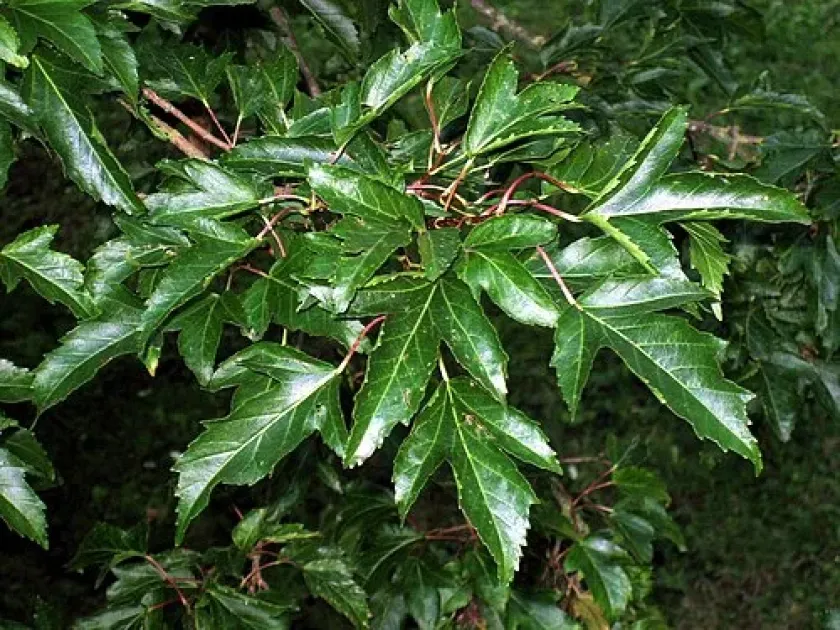
Description
Growing requirements
The Bosci Maple (Acer boscii) is an ornamental plant species belonging to the Sapindaceae family. It is recognized for its unique botanical traits and is highly regarded in horticultural circles for its adaptability to various climate zones within its natural range.
To ensure healthy development, this culture requires fertile, well-draining soils. While the species is somewhat versatile, it thrives best in slightly acidic to neutral substrates that provide adequate aeration for the root system to expand vigorously.
In terms of light exposure, the Bosci Maple prefers full sun to partial shade. Exposure to direct sunlight is crucial for maintaining the plant's characteristic leaf morphology, while excessive shade may lead to stunted growth and reduced vigor.
Agricultural management requires consistent moisture levels, especially during the establishment phase. As the tree matures, its root system becomes more efficient, yet it still benefits significantly from deep watering cycles during periods of prolonged drought.
Maintenance involves routine pruning to sustain the desired canopy structure. It is advised to perform pruning during the late winter dormancy period to minimize sap loss and promote rapid healing of the cuts before the spring growth flush.
Main diseases and pests
Like many species in the genus Acer, the Bosci Maple can be susceptible to common fungal pathogens. Powdery mildew is the most frequent issue, particularly in humid environments where air circulation is restricted among the lower branches.
Insect pests, such as aphids and scale insects, pose a significant risk by extracting plant sap and potentially transmitting viral or bacterial infections. Monitoring the foliage and stem during the early spring is vital for early detection.
Verticillium wilt remains a severe threat to maples. This soil-borne pathogen affects the vascular system of the tree, often leading to sudden leaf flagging and dieback, for which there is currently no effective chemical cure once established.
Integrated pest management strategies should be employed, focusing on cultural controls such as proper spacing to improve airflow and avoiding mechanical damage to the bark, which serves as an entry point for various pathogens.
Winter care is essential to mitigate damage from environmental stressors. Applying a layer of mulch around the base of the tree helps maintain consistent soil temperature and provides protection against deep frost-induced root injury.