
Bornmueller Maple
Acer bornmuelleri
Description
Growing requirements
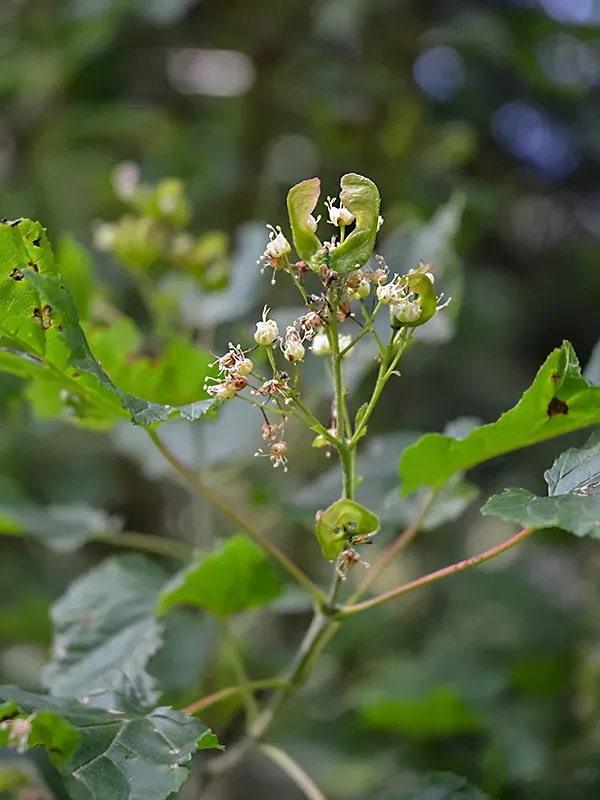
The Bornmueller Maple (Acer bornmuelleri) is a distinctive tree species belonging to the Sapindaceae family. It is native to the mountainous regions of Turkey, where it has adapted to rocky and varied terrain, showcasing its ecological resilience and significance in the local forest flora.
Regarding soil requirements, the species thrives in well-drained, fertile soil, though it displays remarkable tolerance for calcareous and rocky ground. It is essential to ensure that the site provides enough aeration for the roots, as this maple does not perform well in compacted or waterlogged soils.
In terms of climate, the Bornmueller Maple prefers temperate environments with clear seasonal transitions. While it is hardy and capable of surviving cold winters, young trees benefit from sheltered locations to protect them from excessive exposure to late spring frosts during the initial development phases.
Agricultural management of this crop involves proper planting techniques, typically starting in early spring or autumn. Mulching is highly recommended to retain soil moisture and regulate temperatures around the root zone, which supports faster tree establishment and healthier annual growth cycles.
The primary economic use of this species is in horticulture and landscape design. Due to its elegant growth habit, the Bornmueller Maple serves as an excellent ornamental tree for public parks and private gardens, providing visual interest through its foliage shape and seasonal color shifts.
Main diseases and pests
Common threats to the tree include fungal infections such as Verticillium wilt and powdery mildew. These diseases often manifest when the trees are under stress from environmental factors, requiring diligent monitoring and the application of fungicides to maintain tree health and canopy density.
Pest management focuses on mitigating damages from aphids and wood-boring insects. Implementing an integrated pest management program, which includes regular canopy inspections and the introduction of natural predators or targeted organic pesticides, is crucial for preserving the long-term vitality of the trees.