
Xylosma
Xylosma G. Forst.
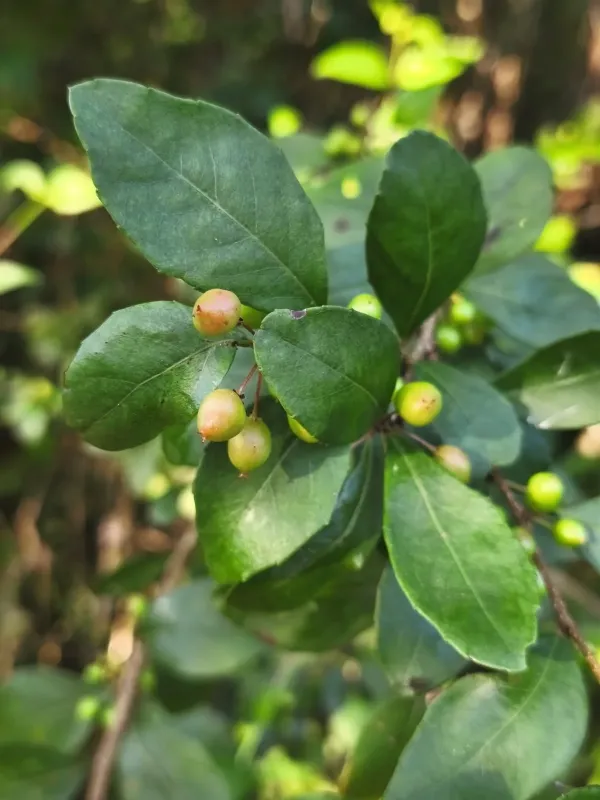
Description
Growing requirements
Xylosma is a genus of evergreen shrubs and small trees belonging to the Salicaceae family. These plants are primarily native to the tropical and subtropical regions of Asia, the Americas, and the Pacific Islands, where they thrive in warm climates.
The cultivation of Xylosma requires specific conditions to ensure healthy development. The plant prefers full sun to partial shade locations and thrives in well-draining, moderately fertile soil with a neutral to slightly acidic pH level.
Botanically, Xylosma is characterized by its glossy, leathery leaves and a dense growth habit. Many species develop thorns, which contributes to the plant's effectiveness as a secure, impenetrable garden hedge.
In terms of agricultural techniques, regular irrigation is essential during the establishment phase. Once mature, Xylosma demonstrates moderate drought tolerance, although it responds well to occasional deep watering during prolonged dry spells.
Pruning is a critical aspect of Xylosma maintenance. Because the plant handles shaping exceptionally well, it is widely utilized for topiary projects, formal hedges, and architectural screening in Mediterranean-style landscapes.
Main diseases and pests
While Xylosma is generally considered a low-maintenance and robust genus, it can be prone to certain issues if environmental conditions are suboptimal. Fungal diseases, particularly powdery mildew, may develop if the plant is kept in areas with poor air circulation and high humidity.
Common pests that affect this crop include scale insects and mealybugs. These sap-sucking pests can cause yellowing, stunted growth, and general decline in the plant’s health if left untreated for extended periods.
To mitigate disease risks, ensure the planting site has excellent drainage and avoid overhead watering, which can encourage fungal spore germination. Proper spacing during initial planting is also vital for long-term health.
Integrated pest management is recommended for controlling infestations. Regular monitoring of the foliage, especially the undersides of leaves, helps in detecting early signs of scale or mealybug activity before they spread.
If the shrub displays signs of root rot or severe wilting, investigate the soil drainage immediately. Applying systemic fungicides or horticultural oils can effectively manage most biotic threats when used according to the guidelines.