
Waldstein's willow
Salix waldsteiniana
Description
Growing requirements
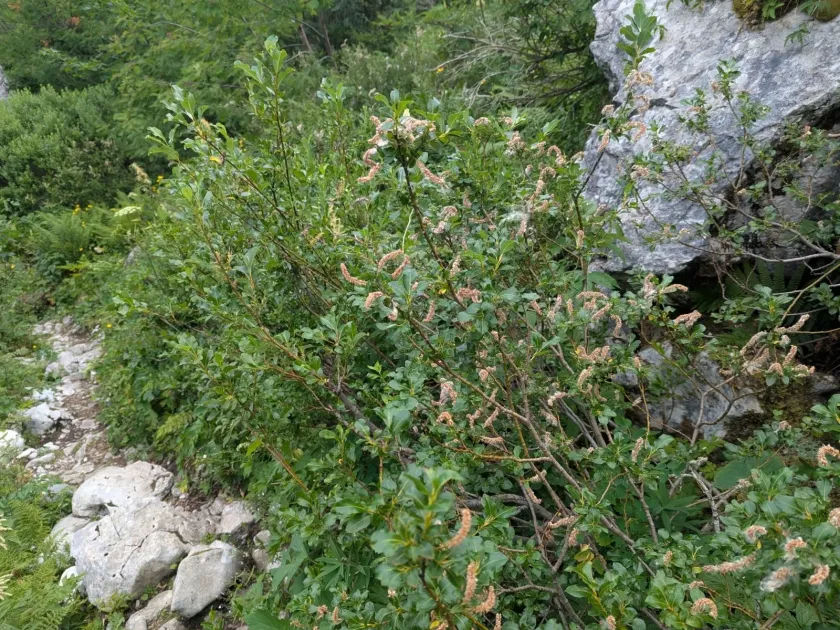
Waldstein's willow (Salix waldsteiniana) is a dwarf shrub belonging to the Salicaceae family, native to the high-altitude regions of the Alps and the Carpathians. This plant is well-known for its prostrate and cushion-like growth habit, making it an excellent choice for rockeries and cold-climate gardens.
The culture thrives in cool, moist environments. It prefers full sun locations, although in regions with hot summers, partial shade is recommended to maintain optimal moisture levels. The species is highly adapted to mountain conditions, showing significant resistance to strong winds and low temperatures.
Soil requirements for this willow include fertile, well-draining, and slightly acidic to neutral substrates. Proper moisture regulation is essential; while the plant enjoys high humidity, it must not be grown in stagnant water, as this leads to root system dysfunction and decay.
In landscaping, Waldstein's willow is primarily used for ornamental purposes. It is perfect for soil stabilization on slopes, as a ground cover, or as an accent plant in alpine gardens. Its slow growth and compact size make it manageable even in small garden spaces.
Management practices include spring pruning to remove damaged branches and encourage density. Mulching the root area helps retain moisture and protect the root zone from temperature fluctuations. Adequate watering is vital during dry spells, especially during the active growth phase.
Main diseases and pests
The primary threats to Salix waldsteiniana include fungal diseases such as leaf rust and scab. These pathogens thrive in conditions with poor air circulation and excessive humidity, often requiring fungicide applications.
Insect pests, including aphids and leaf beetles, frequently target the foliage. Regular monitoring and the application of biological or chemical control agents are effective in keeping these populations at bay.
Powdery mildew is a common concern during warm and dry periods. Ensuring proper plant spacing can significantly reduce the incidence of this fungal issue by allowing better airflow.
Nutrient deficiencies may manifest as chlorosis. Providing balanced fertilization in early spring helps the plant maintain vibrant foliage color and robust health throughout the growing season.
Mechanical damage from winter frosts or rodents can leave the bark vulnerable. Regular inspections followed by proper wound dressing are necessary to protect the plant from secondary infections and decay.