
Salix vinogradovii
Salix vinogradovii
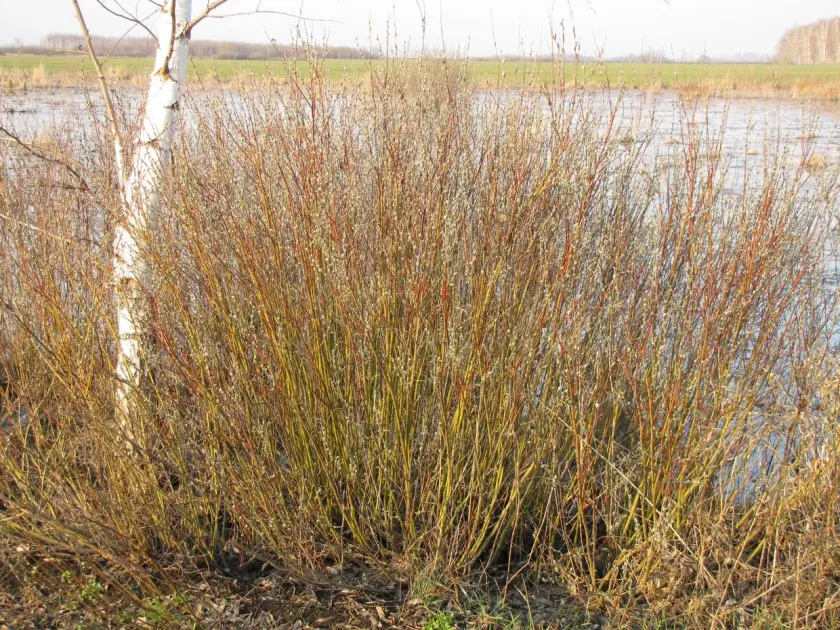
Description
Growing requirements
Salix vinogradovii belongs to the Salicaceae family and is a shrubby plant species known for its resilience and adaptability to various environmental conditions.
This species naturally inhabits riverbanks and wet areas, preferring soils with high moisture content to maintain its vigorous growth rate during the season.
Optimal cultivation sites include alluvial and fertile loamy soils where the plant can develop a healthy and deep root system for better stability.
The plant is light-demanding and performs best in open areas where it receives full exposure to sunlight, which is crucial for high-quality branch production.
Climate adaptability allows the cultivation of this willow in various regions, provided the water requirements are consistently met throughout the growing months.
Yield
Salix vinogradovii is highly valued in the agricultural sector for producing flexible twigs that are widely used in professional basketry and craft industries.
As an industrial crop, it serves as an excellent source of biomass for renewable energy projects due to its fast-growing capabilities and high density of woody material.
Management of the plantation involves strategic pruning, which encourages the development of straight, high-quality shoots suitable for various commercial purposes.
Yield metrics significantly improve after the first three years of growth, as the root system becomes established and supports more robust annual stem production.
Harvesting efficiency is maximized when plantations are managed with a clear focus on end-use, whether for timber, bioenergy, or technical weaving supplies.
Main diseases and pests
Fungal diseases like rust and leaf spots are common issues for Salix vinogradovii, especially when plantations are located in poorly ventilated or excessively damp areas.
Insects, particularly leaf beetles, represent a significant threat as they feed on the foliage, potentially stunting the growth and reducing the quality of the harvested wood.
Integrated pest management strategies are recommended to maintain plant health while minimizing the use of chemical pesticides in the field environment.
Maintaining adequate spacing between plants is an effective cultural practice to ensure sufficient airflow and light penetration, preventing the accumulation of pathogens.
Consistent monitoring and early detection of pest or disease symptoms are vital for sustaining long-term productivity and ensuring the quality of the willow yield.