
Tsugaru willow
Salix tsugaluensis
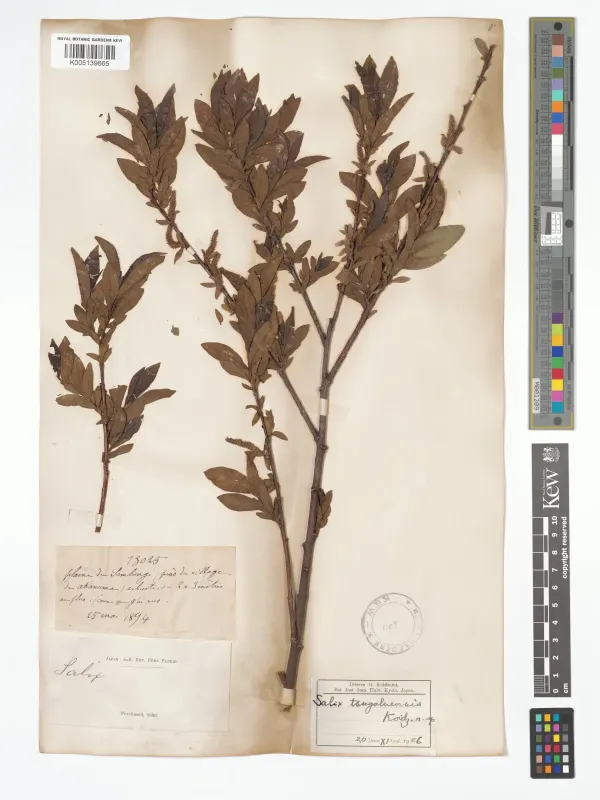
Description
Growing requirements
Tsugaru willow (Salix tsugaluensis) is a distinctive member of the Salicaceae family. Originating from Japan, this species is highly valued in horticulture for its compact habit and elegant appearance, which makes it a preferred choice for temperate climate gardens.
The plant thrives in full sun but can tolerate partial shade in warmer regions. Moisture management is crucial for this willow; it prefers consistently moist soils but requires well-drained conditions to prevent root rot during winter dormancy when transpiration is low.
Fertile, loamy soils are ideal for achieving maximum growth potential. While it can adapt to various soil types, maintaining a slightly acidic to neutral pH level is recommended to ensure optimal nutrient uptake and general plant vigor throughout the season.
Regarding climate, this willow species exhibits strong resilience to frost. However, it benefits from wind protection in exposed landscapes, as strong winds can cause physical damage to the delicate branches, especially during the active growth phase in late spring.
In landscaping, it is frequently utilized for waterfront planting schemes, decorative shrub borders, and container gardening. Regular pruning is essential to maintain its specific shape and to encourage the production of dense, healthy foliage each year.
Main diseases and pests
Like many willow species, Tsugaru willow is susceptible to fungal issues such as leaf spot and rust, especially during prolonged wet weather. Ensuring adequate space between individual plants is the primary cultural practice to mitigate these risks.
Pest management is focused on common willow insects, including leaf beetles and aphids. These pests can rapidly colonize young shoots and foliage, necessitating timely monitoring and the application of insecticidal soap or specialized systemic treatments if an infestation occurs.
Stem canker and other bark diseases can occasionally occur if the plant is under stress from poor site conditions or mechanical injuries. Keeping the plant healthy through proper hydration and nutrition is the best defense against these opportunistic pathogens.
Weed control in the root zone is important, as weeds compete for moisture and harbor potential insect vectors. Applying organic mulch around the base helps retain moisture and inhibits weed growth without disturbing the shallow root system.
Consistent scouting and proactive care constitute the core of a successful management strategy for this willow. By addressing environmental and biological stressors early, gardeners can maintain the aesthetic integrity and health of the shrub long-term.