
Fourfold willow
Salix tetrapla
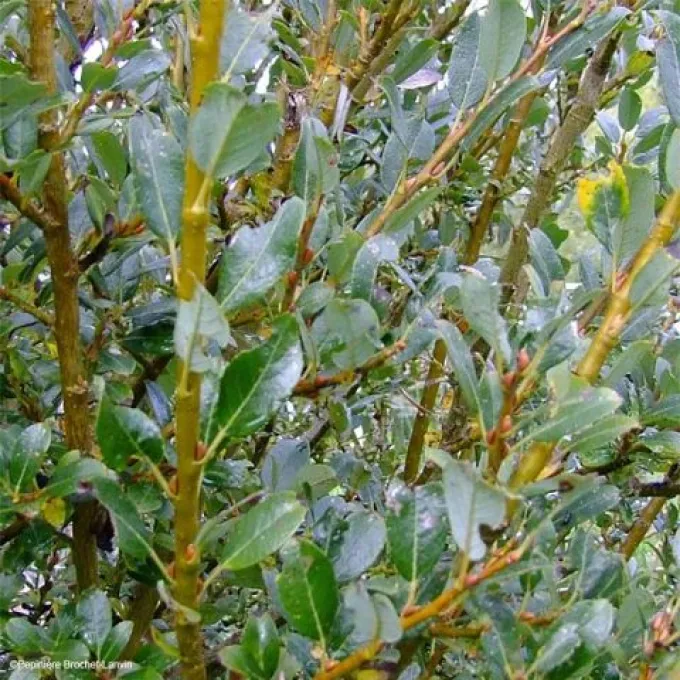
Description
Growing requirements
The Fourfold willow (Salix tetrapla) is a member of the Salicaceae family and typically grows as a deciduous shrub or small tree. Native to regions with temperate climates, it thrives in environments that provide consistent soil moisture, such as riparian zones and wetlands.
In terms of agricultural requirements, this species prefers deep, nutrient-rich soils with good water-holding capacity. While it can survive on various soil types, growth rates are significantly improved when the plant is provided with adequate access to groundwater or periodic irrigation during dry spells.
The climate requirements for Salix tetrapla are centered on its need for a dormant winter period, as it is highly frost-hardy. It flourishes in full sun, which is critical for maximizing biomass production and developing strong, healthy branches suitable for later harvesting.
Botanically, the plant is distinguished by its specific foliage characteristics and its ability to hybridize within the Salix genus. It features an extensive root system, making it an excellent candidate for soil stabilization projects, preventing erosion on embankments and flood-prone agricultural fields.
The economic value of this willow species is diverse, ranging from traditional basketry and weaving to use in landscape restoration. It also serves as a critical ecological resource, providing early-season forage for pollinators, which supports broader agricultural biodiversity.
Main diseases and pests
The primary health threats to Salix tetrapla plantations include rust fungi and willow scab, both of which can lead to premature defoliation. Ensuring proper spacing between plants is essential to maintain airflow and reduce the humidity levels that favor fungal growth.
Insect pests, such as leaf beetles and willow sawflies, represent a challenge during the peak summer months. Effective management strategies involve monitoring population density and employing targeted biological control measures to maintain the health and vigor of the willow crop.