
Salix tenuijulis
Salix tenuijulis
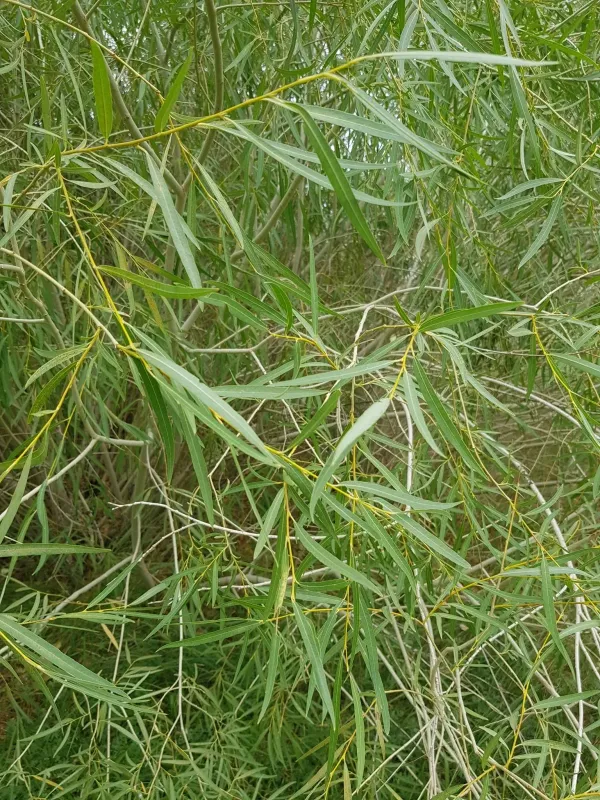
Description
Growing requirements
Salix tenuijulis, known as the thin-catkin willow, belongs to the Salicaceae family and is recognized as a hardy, multi-purpose woody plant. It is primarily adapted to riparian environments where moisture levels remain consistently high throughout the growing season.
The species originates from regions in East Asia, exhibiting a natural distribution that thrives in temperate climates. Its biological profile makes it an excellent candidate for ecological restoration projects, specifically for soil stabilization and riverbank reinforcement due to its vigorous root system.
Cultivation requires well-drained, nutrient-rich soils that can sustain rapid biomass production. While the willow is highly tolerant to various soil types, it performs best in silty-loam soils that facilitate deep root penetration and access to groundwater.
Requirements for site selection include full sun exposure, which is critical for maximizing photosynthetic rates and producing high-quality flexible shoots. In shaded conditions, the plant tends to become spindly, reducing its value for industrial basketry or biomass processing.
Establishing a successful plantation involves careful site preparation to ensure that weed competition is minimized during the initial stages of growth. Regular moisture monitoring is essential in the first two years until the plants have established a deep and robust root network.
Yield
The industrial use of Salix tenuijulis is largely focused on the production of willow rods for basketry and bioenergy feedstocks. The yield potential is heavily dependent on management practices such as annual coppicing, which forces the plant to produce a high number of straight, unbranched shoots.
Productivity is optimized by maintaining correct plant density within the plantation, allowing for sufficient airflow and light penetration. Managed harvests yield significant quantities of high-quality raw material that is prized for its flexibility and structural integrity.
Post-harvest management involves sorting the material by diameter and length, ensuring that the raw biomass meets the stringent requirements of the handicraft and furniture industries. This grading process is essential for maximizing the economic return of the crop.
In addition to raw material output, these willow plantations act as carbon sinks and help improve soil fertility over time. Sustainable harvesting cycles allow the plant to remain productive for over a decade, providing a consistent source of income for agricultural enterprises.
Yield can be further enhanced through the application of precision irrigation and nutrient management strategies. By aligning harvest times with the dormant season, farmers can ensure the longevity of the plant and the quality of the harvested wood.
Main diseases and pests
Salix tenuijulis is susceptible to several fungal diseases, particularly rusts and leaf spots that thrive in humid, stagnant air conditions. These pathogens can significantly diminish the aesthetic value and physical strength of the young shoots, rendering them unsuitable for high-end craft work.
Insect pests such as leaf beetles and willow weevils are the primary threats to foliage health. Severe infestations can defoliate entire rows of trees, leading to stunted growth and reduced overall plantation vitality if not managed through integrated pest control measures.
Winter damage, often characterized by frost cracks or bark splitting, can expose the internal tissues of the plant to secondary infections. Regular monitoring during the dormant season is a key proactive measure to identify and mitigate such physical damages early.
Sanitation is a critical component of pest and disease management, involving the regular removal of dead or infected debris from the plantation floor. This practice reduces the survival rates of spores and overwintering larvae, promoting a healthier growing environment.
When chemical interventions are necessary, selecting selective, low-impact products ensures the protection of beneficial organisms within the plantation ecosystem. Sustainable crop management relies on a combination of cultural, biological, and occasional chemical control methods.