
Tarragona willow
Salix tarraconensis
Description
Growing requirements
The Tarragona willow (Salix tarraconensis) is a distinctive member of the Salicaceae family, recognized for its specialized niche in the wild. Endemic to the limestone regions of the Iberian Peninsula, specifically in Spain, this shrub has evolved to thrive in harsh, rocky environments.
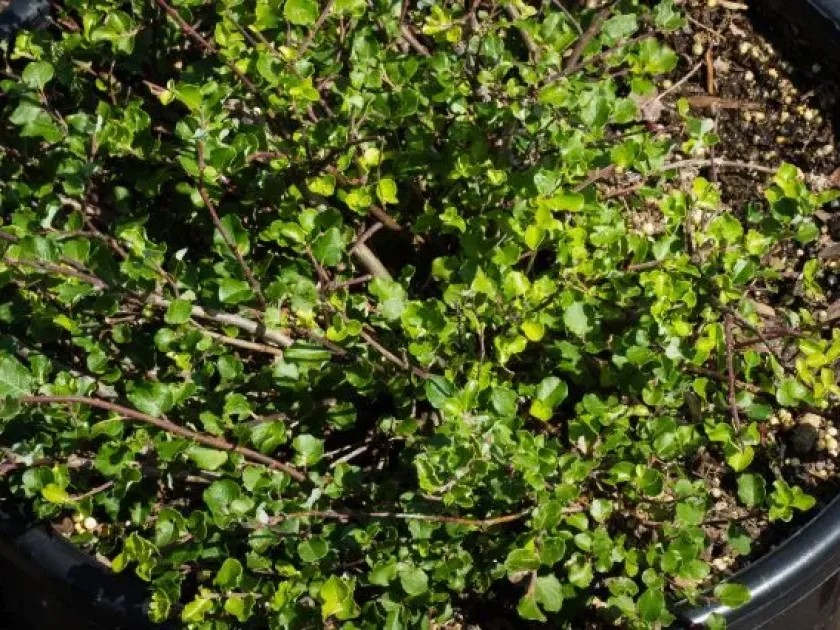
Botanically, it is classified as a low-growing, deciduous shrub. Its growth pattern is characteristically slow and compact, making it a highly desirable specimen for collectors and enthusiasts of rock garden design who appreciate unique, miniature plant forms.
To cultivate Salix tarraconensis successfully, one must replicate its natural preference for well-drained, alkaline, or neutral soils. Unlike many other willow species, this plant is remarkably drought-tolerant and performs best in sunny, open locations with excellent airflow.
The cultural requirements center on preventing root suffocation. Because it originates from mountainous limestone habitats, it does not tolerate heavy, waterlogged soils. In garden settings, providing a mineral-rich, stony substrate ensures the plant remains healthy and avoids physiological stress.
Propagation is primarily achieved through cuttings. Due to its limited natural range and slow-growing nature, the cultivation of this species is often confined to specialized nurseries and botanical collections, emphasizing the need for professional care and patience.
Main diseases and pests
The most significant threats to the Tarragona willow involve fungal pathogens that flourish in damp, stagnant air. Proper spacing and location are critical to preventing diseases such as rusts and mildews, which can affect the foliage if ventilation is poor.
Insects such as leaf beetles and various species of aphids are the primary pests. Aphids typically target tender new growth during the spring, which can lead to stunted development and the transmission of secondary infections if left untreated.
Spider mites pose a particular risk during hot, dry summer months. Their activity can cause the leaves to lose color and drop prematurely, significantly impacting the plant's aesthetic value and photosynthetic capacity.
Management of these threats involves a combination of cultural practices and integrated pest management. Maintaining soil health and avoiding excessive nitrogen fertilization reduces the attraction of the plant to sap-sucking insects.
Regular inspection of the shrub's canopy is essential for early detection of issues. By removing any affected branches and maintaining a clean environment around the base of the plant, the grower can sustain the health and longevity of this rare species.