
Salix taraikensis
Salix taraikensis
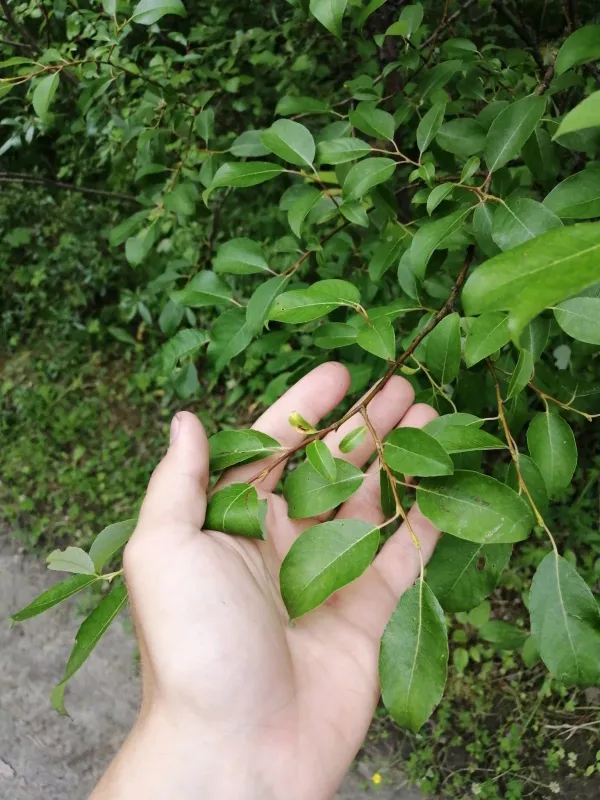
Description
Sowing dates
Propagation of Salix taraikensis is predominantly achieved through vegetative means. Hardwood cuttings remain the most reliable method for establishing new plantations, ensuring high survival rates and genetic uniformity.
The optimal time for planting cuttings is early spring, immediately after the soil thaws but before active bud break. This timing allows the root system to establish itself before the onset of the summer heat.
Cuttings should be planted in well-prepared, moist soil. Ensuring firm contact between the cutting and the substrate is critical to prevent air gaps that can dehydrate the plant tissue during the initial rooting phase.
Planting density is determined by the intended use of the crop. For high-yield biomass production, specific row spacing is required to facilitate mechanical harvesting and optimize the light reception for each individual plant.
Post-planting care during the first two seasons is vital. Controlling weeds in the rows and maintaining adequate soil moisture are the two primary factors that determine the long-term success of the establishment.
Growing requirements
Salix taraikensis, a member of the Salicaceae family, is a hardy woody species adapted to temperate climatic zones. It is known for its ecological plasticity and ability to thrive in demanding conditions.
The species requires consistently moist soil conditions. It is frequently found in riparian zones or areas with shallow water tables, making it highly suitable for land reclamation and protection of water-logged sites.
While the tree prefers full sun, it shows tolerance to partial shade. However, optimal biomass accumulation is achieved only in open, sunny environments where soil nutrients are readily available for active growth.
Regarding soil, this willow species adapts well to various textures, including loams and sandy soils, provided that moisture levels remain stable. It is less sensitive to soil acidity than many other woody crops.
Adequate soil aeration is essential for healthy root function. Despite its preference for water, the species does not tolerate stagnant water that leads to anaerobic conditions and subsequent root rot diseases.
Main diseases and pests
The main threats to Salix taraikensis involve fungal pathogens, particularly leaf rusts and scab diseases, which thrive during periods of high humidity and moderate temperatures throughout the growing season.
Insect pests, including various species of leaf-eating beetles and wood-boring insects, can cause significant damage by defoliating young plants or compromising the structural integrity of the stems.
Preventative strategies focus on maintaining proper plantation density to ensure air circulation. Reducing humidity in the lower canopy significantly lowers the risk of fungal outbreak and spread among trees.
Chemical control measures should be limited to instances of severe infestation. Integrated pest management (IPM) practices, including biological control and resistant site selection, are preferred for sustainable forest management.
- Regular monitoring of canopy health.
- Sanitary pruning of infected branches.
- Clearance of debris to reduce overwintering sites for pathogens.
Harvesting
Harvesting strategies for Salix taraikensis depend on the end product: whether it is used for wicker work or as an energy source. Timing is crucial for ensuring the high quality of the harvested raw material.
For wicker harvesting, branches are collected during the dormancy period in late autumn or early winter. Harvesting during this stage ensures optimal flexibility and durability of the rods for processing.
For biomass production, harvesting is performed at the end of the growing season. Modern mechanical harvesters allow for efficient cutting and chipping of the wood directly on the field, reducing labor costs significantly.
The species exhibits excellent regrowth potential. After harvest, the stool retains high vitality, allowing for rapid development of new shoots, which ensures the plantation's sustainability over many years of production.
Proper post-harvest handling, including drying in well-ventilated areas, is essential to prevent fungal development and preserve the mechanical properties of the willow wood for future manufacturing processes.