
Salix subopposita
Salix subopposita
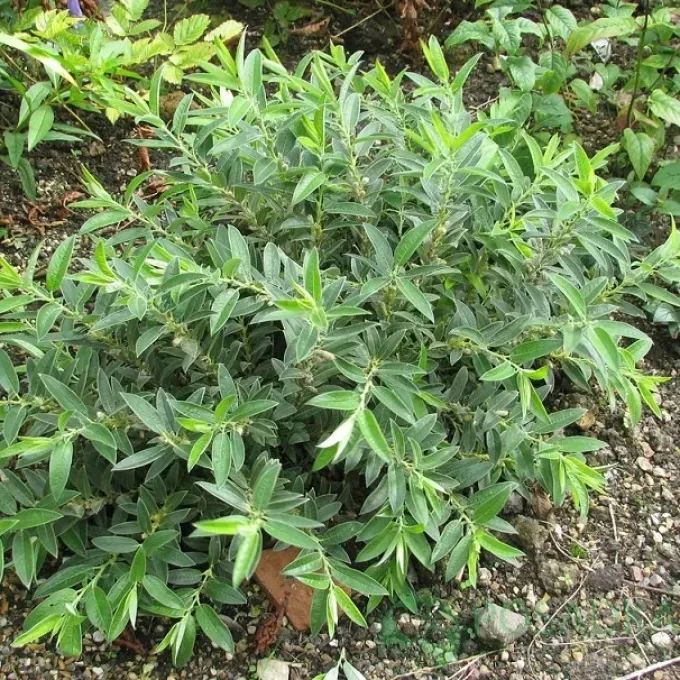
Description
Growing requirements
Salix subopposita, commonly known as a specific type of shrub willow, belongs to the Salicaceae family. Originating from Japan, this species is noted for its unique morphological traits, setting it apart from other common willow varieties found in horticulture.
The botanical structure is defined by its low-growing, shrubby habit and its distinctive opposite or sub-opposite leaf arrangement. The foliage is typically narrow and may feature fine hairs, contributing to the plant's aesthetic appeal in garden settings.
Cultivation requires environments with consistent soil moisture. These plants perform best in riparian zones or near water bodies where moisture levels remain steady throughout the growing season, though they require well-drained substrate to prevent root rot.
The plant thrives in full sun exposure. While it is adaptable to various soil types, ranging from sandy to loamy textures, it prefers slightly acidic to neutral pH levels. High soil fertility is beneficial, but the plant remains relatively hardy even in moderate conditions.
Its primary use is in ornamental landscaping and phytoremediation. Due to its size and growth pattern, it is an excellent choice for erosion control along small pond banks and as a feature plant in contemporary garden designs.
Main diseases and pests
Like many species in the Salix genus, this plant is susceptible to fungal pathogens such as rust (Melampsora spp.) and black spot. These diseases are most prevalent in humid conditions with limited airflow through the canopy.
Insect pests, including various species of leaf beetles and willow aphids, can cause significant damage to the foliage. Regular monitoring during the spring and early summer is essential to manage populations before they cause structural damage.
Proper sanitation is critical for disease control. This includes the removal and destruction of fallen leaves and infected branches, which serves to reduce the local inoculum of fungal spores in the growing area.
If chemical intervention is necessary, the use of systemic insecticides or fungicides should be timed with the life cycle of the specific pest or pathogen to minimize environmental impact and maximize efficacy.
Maintaining adequate plant vigor through balanced nutrition and proper watering schedules is the most effective proactive measure to prevent infestation and ensure the longevity of the shrubs in the landscape.