
Salix stipularis
Salix stipularis
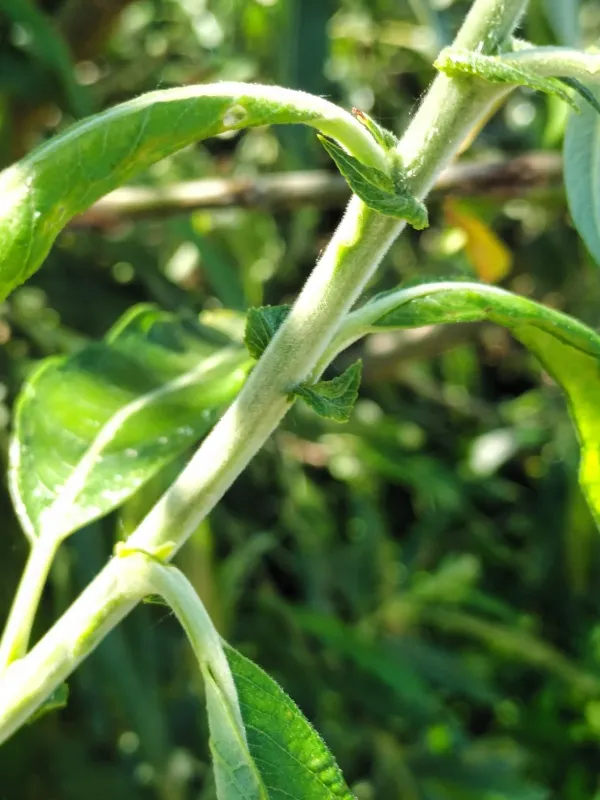
Description
Sowing dates
Propagation of Salix stipularis is primarily achieved through dormant hardwood cuttings, which is the standard agronomic practice for establishing new plantations. The ideal planting time is early spring, immediately before the bud break, to ensure rapid root establishment.
Cuttings should be approximately 20 to 30 centimeters in length, taken from healthy, disease-free one-year-old shoots. Using high-quality material is essential, as the energy stored in the wood is the primary driver of growth during the first few weeks of the plant's life.
Planting is typically performed in rows, with a spacing of about 70–80 centimeters between rows and 20–25 centimeters between individual cuttings. This configuration optimizes space for mechanical maintenance while ensuring that each plant has sufficient access to light and soil nutrients.
Correct placement is critical: the cutting should be inserted firmly into the soil, leaving only one or two buds above the surface. This technique minimizes water loss and encourages the development of strong, straight stems that are highly valued in the basketry and biomass industries.
Proper soil contact is essential to prevent air pockets that could dehydrate the cutting. In the initial period after planting, maintaining adequate moisture levels is the most important factor for success, especially in regions prone to dry springs.
Growing requirements
Salix stipularis is a vigorous shrub belonging to the Salicaceae family. It is well-adapted to damp, fertile soils and is frequently found in riparian habitats where the water table remains relatively high throughout the growing season.
This species thrives in full sun, which is necessary to maximize biomass accumulation. While it can tolerate partial shade, productivity is significantly reduced under such conditions. It prefers neutral to slightly acidic soil types with good moisture retention.
Climatic requirements are moderate, as the plant is hardy and capable of surviving cold winter temperatures. However, it requires a steady supply of water during the active growing season to maintain its rapid growth rate, making it an excellent candidate for wet or poorly drained sites.
Soil preparation before planting is vital. Deep cultivation and the incorporation of organic matter improve soil structure, which in turn benefits the delicate root system of the willow. Weed control is essential during the establishment phase to prevent competition for light and nutrients.
As a fast-growing crop, Salix stipularis responds well to balanced fertilization. Nitrogen application during the early growth stages is particularly effective in boosting the production of stems, although it should be managed carefully to avoid excessive growth that might be susceptible to frost.
Yield
The yield of Salix stipularis is highly dependent on plantation density and management practices. In intensive cultivation systems, this willow can produce impressive amounts of biomass, making it a viable resource for renewable energy production.
Annual yields of dry matter can range from 12 to 20 metric tons per hectare, depending on soil fertility and climate. Consistent water availability and effective weed management are the primary drivers of achieving such high yields on a sustainable basis.
For basketry applications, the focus is on the quantity and quality of long, flexible shoots. Productive plantations can generate thousands of stems per hectare annually, provided that the plants are pruned correctly to prevent branching and ensure high-quality material.
The longevity of a plantation is an important factor in its economic viability. With proper care, including rejuvenation pruning and soil maintenance, a Salix stipularis plantation can remain productive for 15 to 25 years before needing replanting.
Sustainable harvesting cycles are crucial for maintaining yield over time. Whether harvesting every year or every two years, it is important to ensure that the stool—the base of the plant—remains healthy, as it is the foundation for all subsequent growth cycles.
Main diseases and pests
Salix stipularis is susceptible to various pests, including leaf-feeding beetles and aphids. These can cause significant damage to the canopy, reducing the plant's ability to photosynthesize and slowing down overall biomass production during the season.
Fungal diseases, such as willow rust and leaf spot, are also prevalent, especially in conditions of high humidity and poor air circulation. These diseases can lead to premature leaf drop and weakened stems, which negatively impact the quality of the harvested material.
Integrated pest management (IPM) is the best approach to handling these threats. This includes maintaining healthy plantation density, ensuring good air movement, and using biological control methods whenever possible to minimize the reliance on chemical pesticides.
Sanitation is a vital part of disease control. Removing and destroying infected plant debris helps to break the life cycle of many pathogens that overwinter on fallen leaves or dead branches within the plantation area.
Regular monitoring of the plantation is essential for early detection of problems. Addressing issues at the first sign of infestation or infection can prevent the spread of pests and diseases across the entire area, protecting the overall investment and crop yield.
Harvesting
Harvesting is typically conducted during the winter dormancy period when the stems have ceased growth and have a low moisture content. This timing is critical for ensuring the longevity of the stems and facilitating their post-harvest processing and drying.
For large-scale biomass production, specialized mechanical harvesters are used to cut and chip the stems in a single pass. This process is highly efficient and allows for the rapid processing of large areas, reducing operational costs significantly.
In the context of traditional basketry, manual harvesting is the preferred method. Skilled workers select only the most suitable stems based on length, flexibility, and lack of defects, ensuring the high standards required for artisanal crafts.
After harvesting, the biomass or raw stems must be handled appropriately to maintain quality. For basketry, this often involves bundling and curing, while biomass may be stored in ventilated piles to allow for further drying before use as fuel.
The maintenance of the stools after harvest is essential. Keeping the stools clean and performing periodic soil cultivation between the rows helps to invigorate the root system, ensuring that the plant is prepared for a new cycle of rapid growth in the spring.