
Salix simulatrix
Salix simulatrix
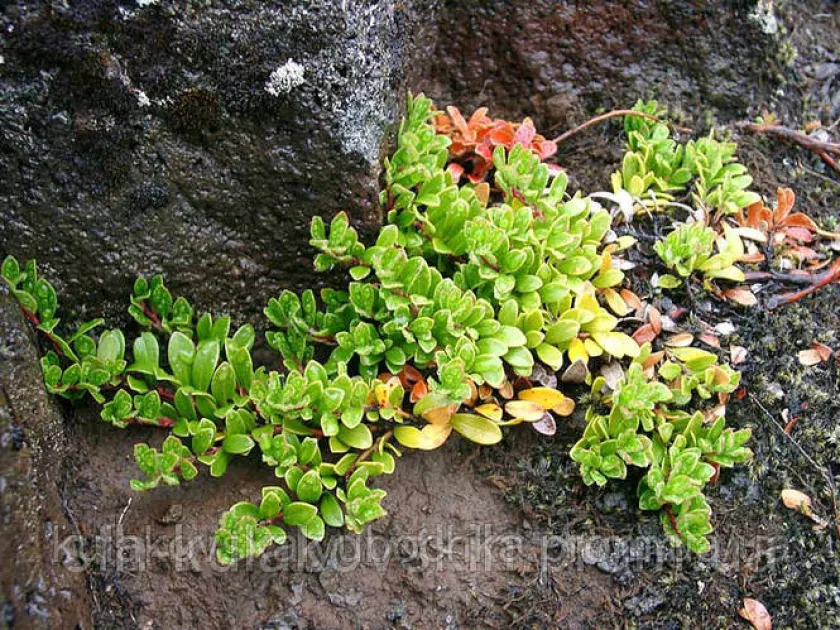
Description
Growing requirements
Salix simulatrix is a distinct member of the Salicaceae family, recognized for its specific morphological traits that distinguish it from common willow varieties. This plant is primarily categorized as a mountain shrub, showcasing a delicate architecture typical of its genus.
The native distribution area of this species is centered in the mountainous regions of China. Its natural habitat is characterized by cool temperatures and significant humidity levels, which are critical factors that should be replicated for successful cultivation in different regions.
Regarding cultivation requirements, Salix simulatrix thrives in well-drained, nutrient-rich soils with a slightly acidic to neutral pH. It is essential to choose a planting site that receives adequate direct sunlight, although the plant can tolerate light shade without losing its shape.
Water management is paramount; the plant requires consistent soil moisture and is highly sensitive to drought. Regular irrigation schedules must be maintained, especially during hot summer months, to prevent physiological stress and leaf drop.
General agrotechnical practices include annual mulching to regulate soil temperature and conserve water, as well as light pruning. Pruning should be focused on removing dead wood or thinning out dense areas to improve air circulation within the shrub canopy.
Main diseases and pests
The primary diseases affecting Salix simulatrix are fungal in nature, particularly leaf spot and various willow rusts that thrive in high-humidity environments. Maintaining proper plant hygiene and utilizing preventive fungicides are standard strategies to mitigate these risks.
Insect pests, such as aphids and leaf beetles, often target the tender young growth of the plant. Integrated pest management, involving both physical removal and biological or chemical control agents, is recommended to keep pest populations at manageable levels.