
Silesian willow
Salix silesiaca
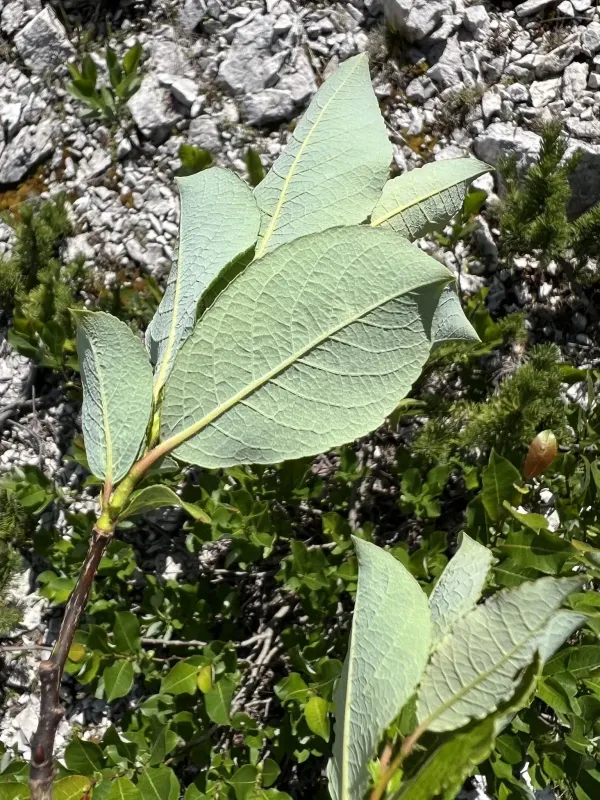
Description
Growing requirements
The Silesian willow (Salix silesiaca) is a deciduous woody species belonging to the Salicaceae family, recognized for its distinct appearance and resilience in temperate climates.
Native to the mountainous regions of Central Europe, specifically the Carpathians and the Sudetes, this species is naturally adapted to cool, subalpine environments and high-altitude forest ecosystems.
The cultural requirements for Salix silesiaca include a preference for well-drained, nutrient-rich soils. Unlike lowland willow species, it does not thrive in waterlogged terrain, making soil structure a critical factor in site selection.
Climatic adaptability is one of the key strengths of this plant, as it withstands harsh winter temperatures and strong winds characteristic of mountain landscapes, provided it receives full sun exposure.
Agronomic practices for this species should focus on minimal soil compaction around the root zone and ensuring adequate moisture levels during the early spring development phase to maximize biomass production.
Main diseases and pests
The Silesian willow is prone to several common pests, including leaf-feeding beetles and sawfly larvae, which can significantly reduce the foliage density and overall vigor of the shrub.
Fungal pathogens such as rust fungi represent a primary disease threat, particularly in locations with poor air circulation or extended periods of high relative humidity during the summer months.
Integrated pest management strategies are recommended, emphasizing the use of systemic fungicides and selective insecticides applied only when infestation thresholds are exceeded to maintain environmental health.
Sanitation is essential; removing and destroying infected plant tissue helps prevent the overwintering of fungal spores and larval stages of common insect pests within the plantation area.
Vigilance during the vegetative cycle is necessary, especially for younger plants that are more susceptible to stem borers, which can cause permanent structural damage to the primary shoots.