
Sikkim willow
Salix sikkimensis
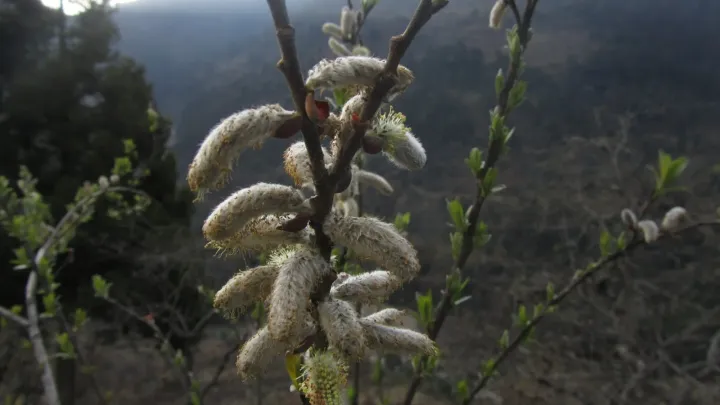
Description
Growing requirements
The Sikkim willow (Salix sikkimensis) is a hardy shrub belonging to the Salicaceae family, native to the mountainous regions of the Himalayas. It is highly valued for its adaptability to cool, moist environments and its distinct aesthetic appeal.
Botanically, this species is characterized by its slender branches and foliage that thrive in humid habitats. It typically occupies riparian zones, stream banks, and damp mountain slopes in its native range, where moisture is constant.
To cultivate this species successfully, one must provide a site with consistently moist, fertile soil. While it prefers full sun, it is tolerant of partial shade, making it a versatile choice for various landscape settings.
Soil requirements involve maintaining a slightly acidic to neutral pH. Proper drainage is essential despite the plant's love for water, as stagnant water can lead to root issues if the soil is not well-aerated.
Hostile climatic conditions in its native home have made this willow remarkably cold-hardy. However, during the initial establishment phase, regular watering and protection from extreme, drying winds are highly recommended.
Main diseases and pests
Common health issues for this willow include fungal pathogens such as rusts and powdery mildew. These are often triggered by high humidity levels combined with poor air circulation within the shrub's canopy.
Insect pests such as leaf beetles, aphids, and spider mites can cause significant damage to the leaves and developing shoots. Their presence can be particularly detrimental during hot, dry spells if the plant is stressed.
Preventative maintenance is the cornerstone of management. This includes pruning to improve airflow and thinning out old or damaged branches that may harbor overwintering pests or spores.
For chemical control, targeted fungicides and insecticides should be applied only after proper diagnosis. Avoiding broad-spectrum pesticides helps preserve the local ecosystem of beneficial insects.
By monitoring the plant’s health regularly and providing appropriate nutrition and water, growers can maintain a vibrant and resilient stand of Sikkim willow throughout the growing season.