
Weeping willow
Salix sepulcralis
Description
Sowing dates
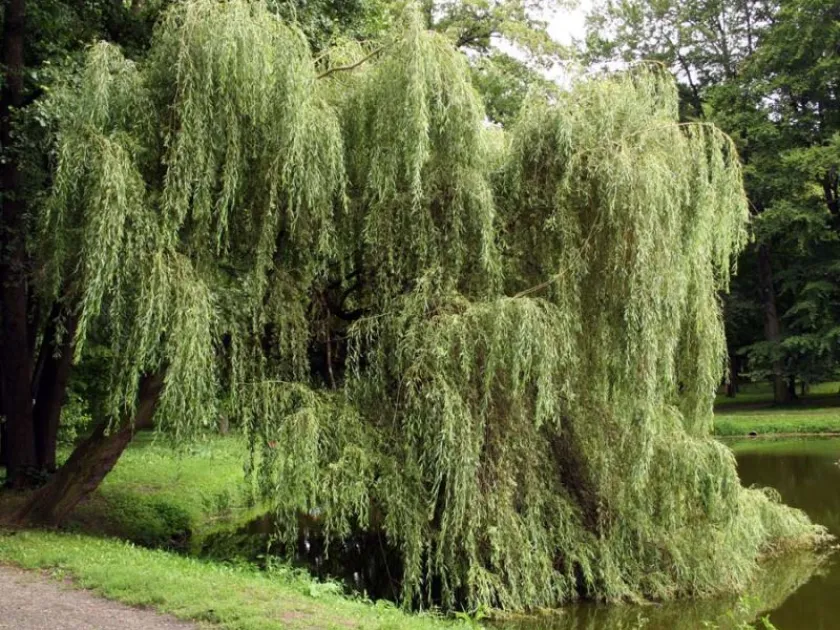
The Weeping willow (Salix sepulcralis) belongs to the Salicaceae family and is a hybrid popular for its dramatic, cascading branches. It is primarily propagated through vegetative cuttings, which demonstrate high efficiency for this specific hybrid.
Cuttings are usually harvested during the dormant season. These cuttings should be taken from healthy, disease-free shoots to ensure that the new plants develop a vigorous root system and maintain the characteristic weeping habit.
Planting can be done in early spring when the ground has thawed. Preparing a site with sufficient depth is essential, as the roots require room to expand and anchor the large, spreading tree effectively.
If utilizing saplings grown in containers, they can be planted throughout the growing season. It is vital to maintain consistent soil moisture during the establishment phase, which typically lasts for the first two years.
Professional nurseries often recommend using rooting hormones to improve the success rate of propagation. This technical approach ensures that the willow establishes its structure quickly before the onset of extreme weather.
Growing requirements
This species is well-known for its high water demand. It thrives in sites with moist soil and is ideally suited for riverbanks or areas near ponds, where its extensive root system can access groundwater.
Full sun exposure is a non-negotiable requirement for the Weeping willow. Without adequate sunlight, the tree will grow sparsely, losing the iconic dense, drooping foliage that defines its ornamental value.
The soil should be fertile and well-draining, even though the tree loves moisture. Avoid heavy, compacted soils that do not allow for aeration, as these can lead to root suffocation and long-term decline of the specimen.
Climate tolerance varies, but the tree generally prefers temperate environments with distinct seasons. While it can tolerate cold, extreme freezing of the ground can be detrimental to young trees that haven't fully matured.
Regular maintenance includes pruning away deadwood and crossing branches. This practice not only improves the aesthetics of the tree but also enhances airflow within the crown, reducing the humidity that can host fungi.
Main diseases and pests
Willow scab is a significant fungal threat that causes black spots on the stems and leaves, eventually leading to branch dieback. Regular applications of protective fungicides are necessary during humid, damp spring weather.
Pests like aphids are common during the growing season. These insects colonize the undersides of leaves, causing them to curl; early intervention with insecticidal soaps can effectively control their populations.
Borer insects pose a severe threat by tunneling through the bark into the heartwood. A tree stressed by drought or poor nutrition is more susceptible to these attacks, so keeping the plant healthy is the best defense.
Black canker can also affect the trunk and major branches. It is typically managed by pruning out infected wood and sterilizing tools between cuts to prevent the spread of spores to healthy parts of the tree.
To summarize, the key to minimizing threats is proactive management. Regular monitoring of the foliage and stem integrity allows for early detection of potential outbreaks before they become systemic.