
Scouler's willow
Salix scouleriana
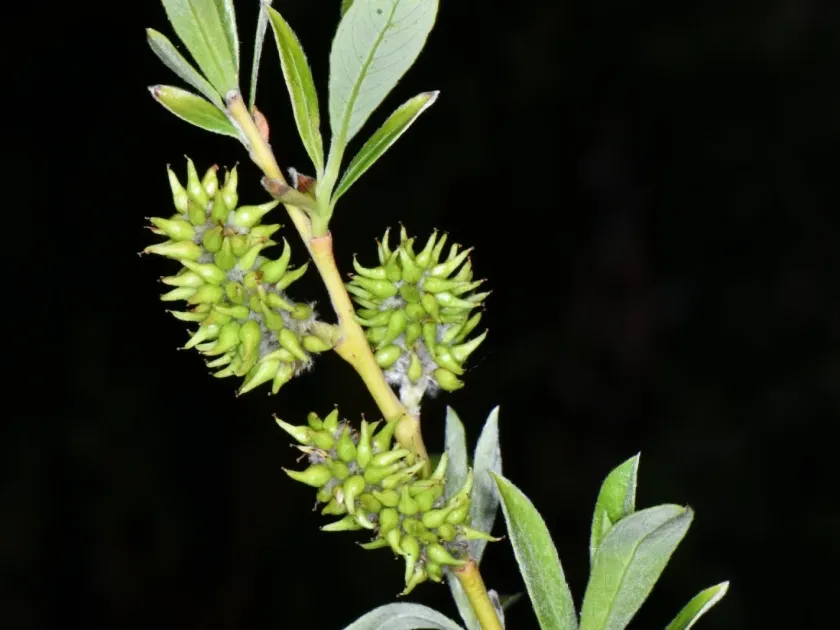
Description
Growing requirements
Scouler's willow (Salix scouleriana) is a prominent woody plant belonging to the Salicaceae family. Native to western North America, it is distinguished from many other willow species by its ability to thrive in drier habitats compared to typical riparian willows.
The botanical characteristics of this species include an upright growth habit, capable of reaching small tree proportions. It is often found in various forest successions, making it a pioneer species that prepares the soil for other vegetation.
In terms of environmental requirements, Salix scouleriana is highly versatile. It shows remarkable tolerance to a wide range of soil pH levels and texture types, performing well on nutrient-poor or compacted soils where other species might fail.
Climate adaptation is a key strength of Scouler's willow. It endures significant winter cold and is frequently utilized in high-elevation forestry and land reclamation projects due to its resilience against harsh weather conditions.
Water requirements for this species are flexible. While it grows best in moist conditions, it does not mandate saturated soils, allowing it to colonize slopes and hillsides that lack a permanent water table.
Main diseases and pests
Common pathological threats include leaf rusts and fungal infections which occur primarily during seasons with prolonged precipitation. These conditions can lead to reduced canopy density and lower overall plant vigor.
Pest populations such as aphids, leaf-eating beetles, and stem borers often impact the health of mature trees. Monitoring these populations is essential to ensure that the plantation maintains its growth trajectory.
Wildlife browsing by deer and elk is one of the most significant external threats to young Salix scouleriana specimens. Protection measures, such as fencing or individual tree guards, are often required in the first years of establishment.
To mitigate these risks, professional foresters recommend selecting resilient phenotypes for propagation and maintaining appropriate spacing between trees. Adequate ventilation helps reduce the impact of humidity-related fungal issues.
Integrated pest management strategies should emphasize early detection. Regular scouting throughout the growing season helps to address small outbreaks before they transition into widespread infestations across the site.