
Salvia-leaved willow
Salix salviifolia
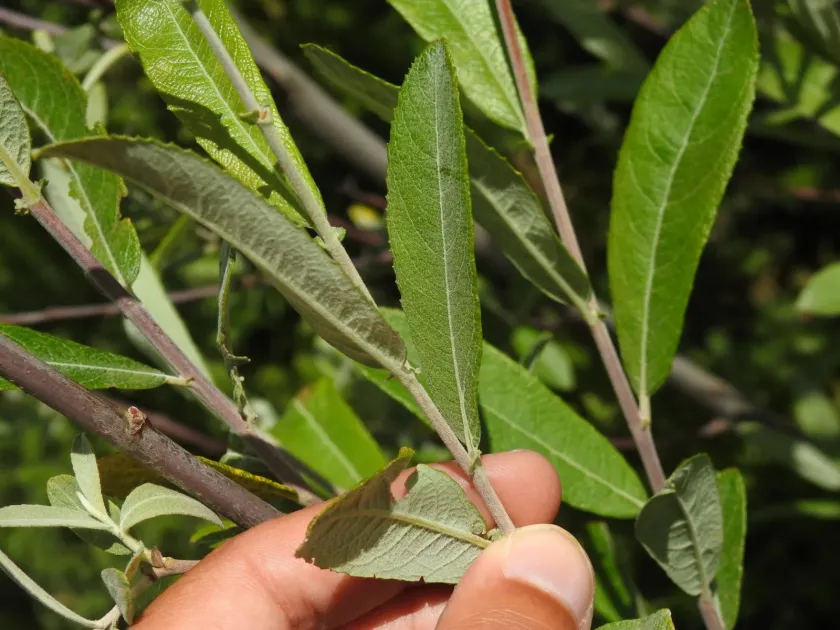
Description
Sowing dates
The propagation of Salix salviifolia is typically performed through hardwood cuttings, which ensures the consistency of the parent plant's characteristics. This is best done in late winter or early spring before the buds begin to swell.
Cuttings should be approximately 20-30 centimeters long. When planting them into the substrate, it is essential to ensure that at least two buds remain above the soil surface to stimulate shoot development.
Site preparation is critical, involving the removal of competing weeds and proper soil cultivation. Planting should be timed with the onset of the spring growth phase to allow for deep rooting before summer.
Initial irrigation is necessary to establish the root system. Even for this moisture-loving species, consistency in watering during the first growing season is key to long-term success.
Spacing should be managed based on the intended use, such as erosion control or ornamental planting, with a recommended distance of at least 2 meters between individual shrubs to allow for full crown development.
Growing requirements
Salix salviifolia, a member of the Salicaceae family, is native to the Iberian Peninsula. It is highly adapted to riparian habitats, typically found growing along riversides and damp mountain slopes.
This species requires high soil moisture levels. It thrives in loamy soils that can retain water throughout the growing season but maintains sufficient oxygen levels for the roots to breathe.
Regarding sunlight, the Salvia-leaved willow is a heliophilic plant. While it can survive in partial shade, full sunlight is necessary to maintain its characteristic compact, dense, and silvery-leaf appearance.
Soil pH preference ranges from slightly acidic to neutral. Providing an environment rich in organic matter will significantly improve the vitality and growth rate of the shrub.
Maintenance involves pruning to remove dead or diseased branches and to encourage a bushier habit. The shrub responds well to periodic cutting back, which keeps the plant rejuvenated and aesthetically pleasing.
Main diseases and pests
The main pests affecting Salix salviifolia are leaf-eating beetles and willow sawflies, which can defoliate young plants if left uncontrolled. Monitoring for early signs of infestation is crucial.
Fungal pathogens such as willow rust and various leaf spot diseases can affect the foliage, particularly in humid or stagnant environments where air circulation is poor.
Management strategies include regular cleaning of the planting area to remove leaf litter, which often harbors fungal spores and pest larvae over the winter season.
Biological control methods or targeted insecticidal applications are recommended if infestation thresholds are reached. Always ensure that the treatment is safe for the local ecosystem.
Proper density management through pruning helps in maintaining airflow through the canopy, significantly reducing the probability of fungal disease outbreaks throughout the summer months.