
Round-leaf willow
Salix rotundifolia
Description
Growing requirements
The round-leaf willow (Salix rotundifolia) is a member of the Salicaceae family, recognized for its extremely small stature and prostrate growth habit typical of arctic and alpine regions.
This shrub is biologically adapted to harsh northern environments, developing a root system that thrives in cold, acidic, and moist soils found in tundra and mountain meadows.
In terms of light and temperature requirements, it demands high levels of sun exposure during the brief growing season while simultaneously needing consistent soil moisture to prevent dehydration.
Cultivation of this species requires careful site selection, as it does not tolerate high heat or competition from aggressive neighboring vegetation, which can quickly overshadow its delicate foliage.
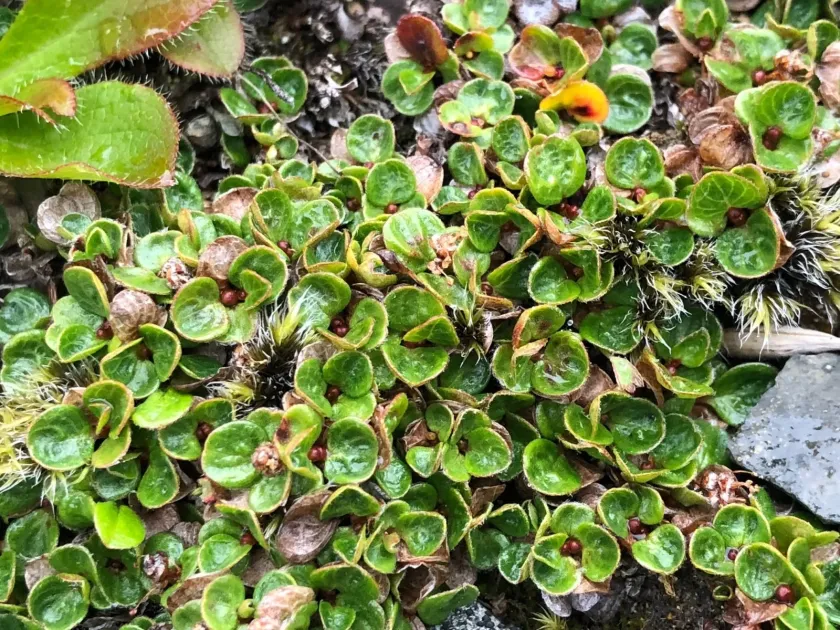
The botanical structure consists of rounded, leathery leaves and creeping stems that anchor themselves into the substrate, allowing the plant to form dense mats over many years.
Main diseases and pests
Primary threats to Salix rotundifolia in cultivation include fungal pathogens that thrive in stagnant, humid environments where air circulation is insufficient for the plant's needs.
Insect pests, such as aphids and leaf-eating beetles, are potential threats, especially if the plant is grown outside its natural bioclimatic zone and becomes physiologically stressed.
Weed competition is a significant concern; as a very slow-growing shrub, it requires a clean, weed-free environment to establish itself properly without being suppressed by faster species.
Drought stress is an acute risk factor, as the species lacks mechanisms to survive prolonged periods of water deficit, which often leads to rapid leaf necrosis and plant death.
Winter injury can occur if the plant is subjected to frequent freeze-thaw cycles without sufficient snow insulation to protect the tender, low-growing stems from desiccation.