
Rorida willow
Salix rorida
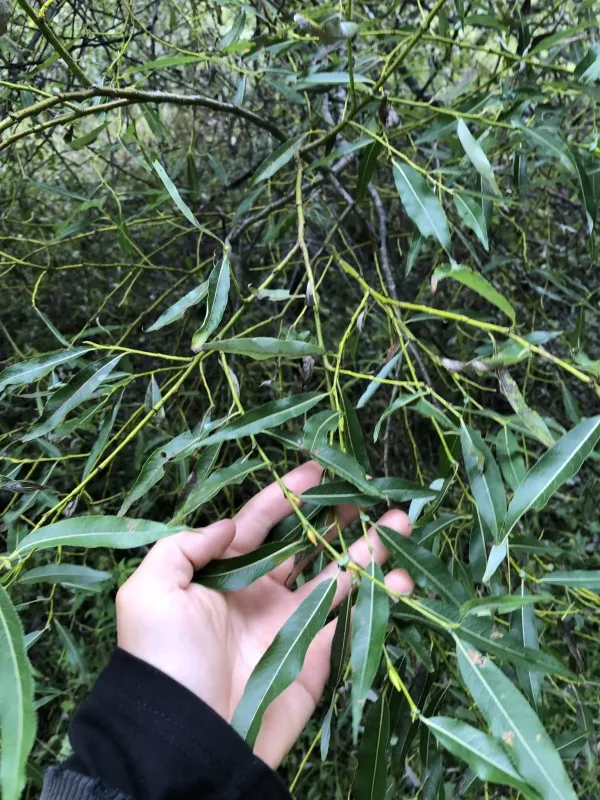
Description
Sowing dates
The propagation of Rorida willow (Salix rorida) is primarily conducted using woody cuttings. Harvesting of planting material is performed during the winter dormancy period when the plant has no active sap flow.
The optimal planting time is early spring, immediately after the soil thaws and reaches temperatures between 5 and 8 degrees Celsius. Early planting ensures that cuttings can develop roots before the buds begin to open.
Cuttings should be 20–30 centimeters long and inserted into prepared soil, leaving only one or two viable buds above the surface. Proper soil compaction around the cutting is necessary to prevent drying out.
Planting density is adjusted based on the specific goal, such as high-density planting for flexible weaving rods or lower density for biomass production or landscape stabilization.
While autumn planting is possible in some regions, it is generally avoided due to the risks of frost damage, which can kill tender, unrooted cuttings before they can establish themselves.
Growing requirements
As a member of the Salicaceae family, the Rorida willow is inherently moisture-loving. It thrives in floodplains and along riverbanks where constant access to water is guaranteed throughout the growing season.
The species is adaptable to various soil types but performs best in loose sandy or silty loam soils. It is highly valued for its ability to stabilize loose sands, effectively preventing wind and water erosion.
Rorida willow is a heliophilic plant, requiring full sun exposure to maintain healthy growth. Excessive shade from surrounding vegetation results in weak, thin, and brittle shoots that are unsuitable for commercial use.
This willow is noted for its high cold tolerance and ability to endure the severe winter climates of northern regions. It can also withstand seasonal floods and waterlogged soil conditions without root rot.
While tolerant of various environments, the willow grows fastest in nutrient-rich alluvial soils. On commercial plantations, applying nitrogen-based fertilizers helps sustain high biomass productivity over many years.
Yield
The primary agricultural use of Rorida willow is the production of high-quality, flexible rods for basketry and weaving. The annual growth rate provides a consistent supply of harvestable material.
In recent years, the willow has gained significant popularity as a dedicated energy crop. Its rapid biomass accumulation makes it an excellent source for wood chip production and sustainable bioenergy.
Yield efficiency is directly linked to the frequency of harvest. Annual pruning promotes dense bush growth, which increases the number of straight, knot-free stems required for professional craftsmanship.
Beyond material production, the plant serves as a vital tool for environmental phytoremediation and soil conservation, protecting vulnerable fields from erosion and degradation.
A well-maintained plantation remains productive for 15 to 25 years. Following this period, the root stools typically lose vigor, necessitating the replanting of the area to maintain high output levels.
Main diseases and pests
Rorida willow faces pressure from several pests, particularly leaf beetles and weevils, which can cause significant defoliation and hinder the shoot development essential for harvest.
High humidity and poor air circulation within a plantation can lead to fungal outbreaks. Rust and leaf spot diseases are common, often requiring preventative monitoring and good field hygiene to control.
Winter damage from mammals, including rabbits and rodents, is a common threat. These animals often feed on the bark of young shoots, leading to girdling and the potential death of the saplings.
Weed control is critical during the first growing season. Competing vegetation can severely starve the young willow plants of essential light, moisture, and soil nutrients.
Effective management includes integrated pest control strategies, combining mechanical cleaning, appropriate spacing, and the removal of infected plant parts to prevent the spread of disease.
Harvesting
Harvesting for commercial rods occurs during the dormant season, from late autumn after leaf drop to early spring. This timing ensures the bark is at its most pliable state for professional processing.
Mechanical harvesting for biomass utilizes specialized mowers that cut shoots close to the root base. This practice encourages robust regrowth and prevents the accumulation of woody debris.
Post-harvest, the rods are sorted by length and diameter. This categorization is essential for commercial basketry, as different grades of rods are suited to specific types of weaving projects.
Proper storage is vital; rods should be kept in cool, well-ventilated structures away from direct sunlight to maintain their natural elasticity and prevent unwanted color changes or fungal growth.
Preparation for weaving may involve soaking or steaming the rods, which improves their flexibility and facilitates the manual removal of bark when clean white rods are required.