
Creeping willow
Salix reptans
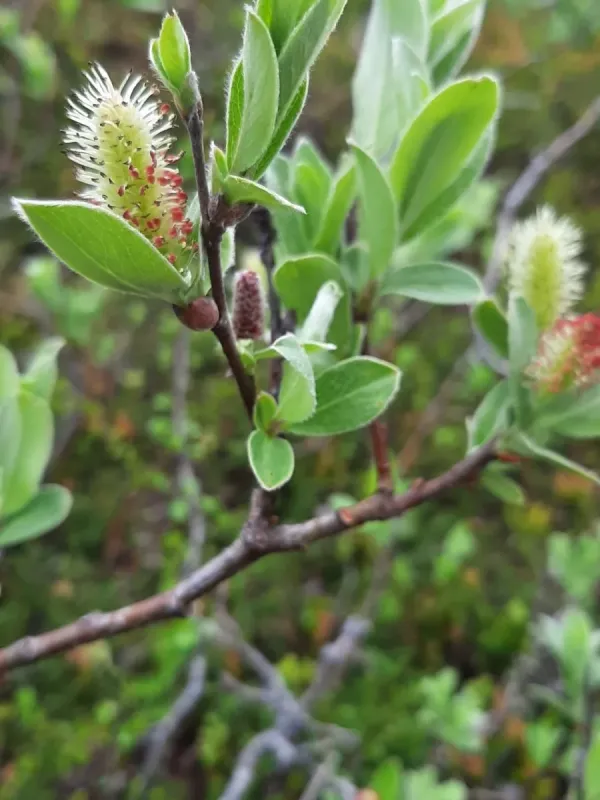
Description
Growing requirements
Creeping willow (Salix reptans) is a low-growing woody perennial shrub belonging to the Salicaceae family. It is distinguished by its prostrate habit, where the branches spread along the ground, making it an excellent candidate for erosion control and landscape design.
Originating from cold temperate regions, this species is highly resilient to harsh winters and can thrive in various soil types. It performs best in moist, well-draining soils and is particularly well-adapted to habitats near water bodies where moisture levels are consistently high.
The cultural requirements demand full sun exposure for optimal leaf density and growth rate. While it tolerates partial shade, excessive shade often leads to sparse foliage and weak, elongated stems, which undermines the plant's structural and aesthetic value.
Agrotechnical practices focus on providing adequate irrigation, especially during the establishment phase and prolonged dry spells. Mulching around the root zone helps to retain moisture and suppresses weed competition, promoting healthier development of the creeping stems.
Pruning is essential for maintaining the desired form and density. Regular trimming of older, woody stems encourages new, vigorous growth, ensuring the plant remains lush and healthy. This practice is particularly useful when managing the shrub as a ground cover.
Main diseases and pests
Creeping willow is susceptible to several fungal diseases, primarily willow rust, which appears as pustules on the undersides of leaves. These infections are more prevalent in environments with high humidity and poor air circulation within the shrub canopy.
Common pests include the willow leaf beetle, which can skeletonize foliage if left unchecked. Aphids are also frequent visitors, feeding on the tender sap of young shoots and potentially transmitting viral diseases, which can stunt overall plant growth.
Management of these threats involves a combination of cultural practices and chemical intervention. Proper spacing is critical to ensure airflow, which inherently reduces the incidence of fungal pathogens and limits the habitat for moisture-loving pests.
If chemical control is necessary, applying systemic fungicides during the early spring or at the first signs of symptoms is recommended. Insecticidal soaps or neem-based treatments are often effective against aphids and other soft-bodied pests without harming beneficial pollinators.
Sanitation is a cornerstone of effective disease management for this species. Removing and disposing of infected or dead plant material helps break the disease cycle and prevents the overwintering of pathogens in the soil or leaf litter.