
Reichardt willow
Salix reichardtii
Description
Growing requirements
The Reichardt willow (Salix reichardtii) is a hybrid shrub belonging to the Salicaceae family. It is a result of natural hybridization between the goat willow (Salix caprea) and the grey willow (Salix cinerea), inheriting robust growth characteristics from both parents.
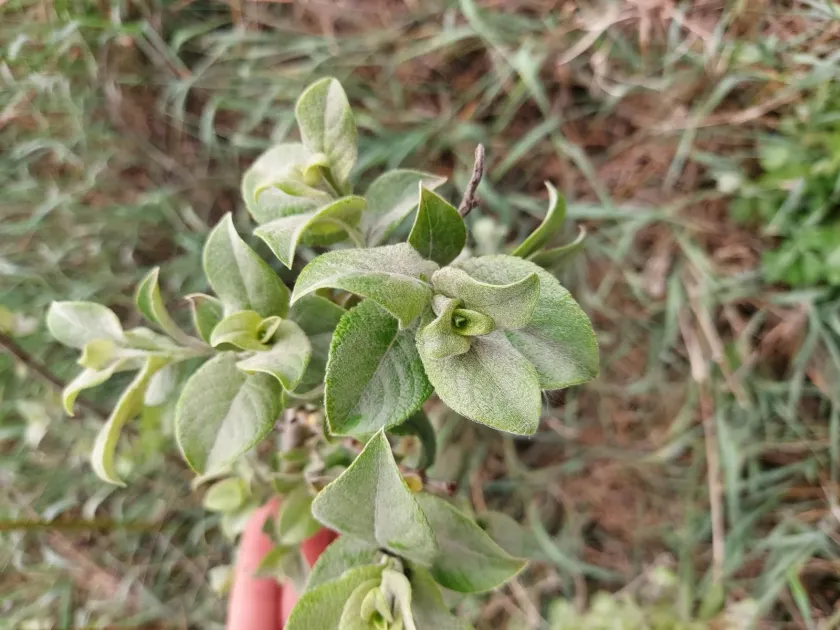
This shrub typically reaches a height of 3 to 5 meters, displaying a wide, spreading habit. Its branches are covered with fine grey hairs, and the leaves are elliptical with a distinct matte finish, making it a valuable addition to ornamental garden landscapes.
The plant thrives in full sun but can tolerate partial shade. It is well-known for its high water requirements and adaptability to moist, heavy soils, making it an excellent candidate for planting near water edges, ponds, or in poorly drained areas where other shrubs fail.
Regarding soil preferences, the Reichardt willow prefers fertile, slightly acidic to neutral soils. It demonstrates excellent hardiness, making it suitable for temperate climates where it can withstand cold winters without special protective measures.
Maintenance involves periodic pruning to manage the size and shape of the shrub. Pruning is most effective when performed immediately after the flowering period, encouraging the development of strong new branches and promoting an abundance of catkins in the next year.
Main diseases and pests
Like many species in the willow family, Salix reichardtii can be susceptible to fungal diseases such as leaf rust and powdery mildew. Maintaining proper air circulation around the shrub by thinning out dense branches is a key preventive measure.
Pest issues often involve various aphids that cluster on the succulent young growth. These can be managed by biological controls or the use of systemic insecticides during early infestations to prevent significant damage.
Leaf beetles and willow sawfly larvae are other potential threats that can cause defoliation if left unchecked. Regular visual inspections are recommended, particularly during the late spring and early summer when larval activity is highest.
In cases of severe infestation or disease, systemic fungicides and insecticides should be applied according to local agricultural guidelines. Cleanliness of the garden and removal of fallen leaf litter help in preventing the overwintering of pathogens.
Providing the plant with optimal growing conditions, including adequate moisture levels, strengthens the shrub's natural resistance, significantly reducing the frequency and severity of pest and disease outbreaks throughout the season.