
Pear-leaved willow
Salix pyrolifolia
Description
Growing requirements
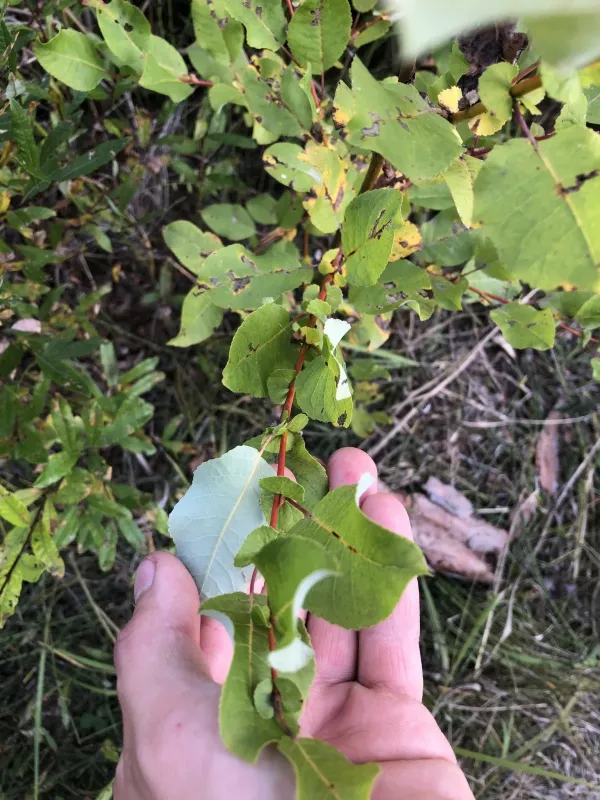
The pear-leaved willow (Salix pyrolifolia) is a deciduous shrub or small tree belonging to the Salicaceae family. It is particularly noted for its leaves, which resemble those of a pear tree, providing a unique aesthetic quality compared to other willow species.
Native to the northern regions of Eurasia, this species is well-adapted to cold climates. Its natural habitat includes riverbanks, floodplains, and damp woodlands, where it thrives in moist soil conditions and cool ambient temperatures.
Botanically, the species is characterized by its glossy, oval-shaped leaves and distinct catkins that appear in early spring. Its flexibility and winter hardiness make it a resilient choice for regions that experience harsh winter weather and fluctuating spring temperatures.
For cultivation, Salix pyrolifolia requires nutrient-rich, moist soils with a slightly acidic to neutral pH level. It performs best in open, sunny positions but demonstrates a tolerance for partial shade, which can be useful when integrating it into existing landscape designs.
Economic uses include riverbank stabilization, land reclamation in damp areas, and ornamental use in park landscaping. Furthermore, as an early-flowering species, it serves as a crucial source of pollen and nectar for bees and other early-season pollinators.
Main diseases and pests
Common plant health threats for the pear-leaved willow include fungal diseases such as rust and scab, which are often encouraged by high humidity levels. Management involves pruning away infected branches and ensuring proper spacing between plants to allow for airflow.
Pests such as leaf beetles and willow weevils can cause significant damage to foliage if left unchecked. A strategic monitoring program, combined with the application of appropriate biological or systemic insecticides, is recommended for healthy growth.
Extreme summer droughts pose a significant risk, as this willow is adapted to wetland environments. Maintaining consistent moisture levels in the soil is essential for preventing leaf scorch and maintaining the plant's overall vigor.
Soil compaction is another factor to consider; it limits oxygen availability to the root system, which can inhibit development. Light cultivation or mulching around the root zone helps maintain soil health and promotes robust growth.
While generally robust, Salix pyrolifolia requires diligent care during its establishment phase. Regular inspections of the bark and foliage allow for early identification of stressors, ensuring the long-term health of the shrub.