
Diamondleaf willow
Salix pulchra
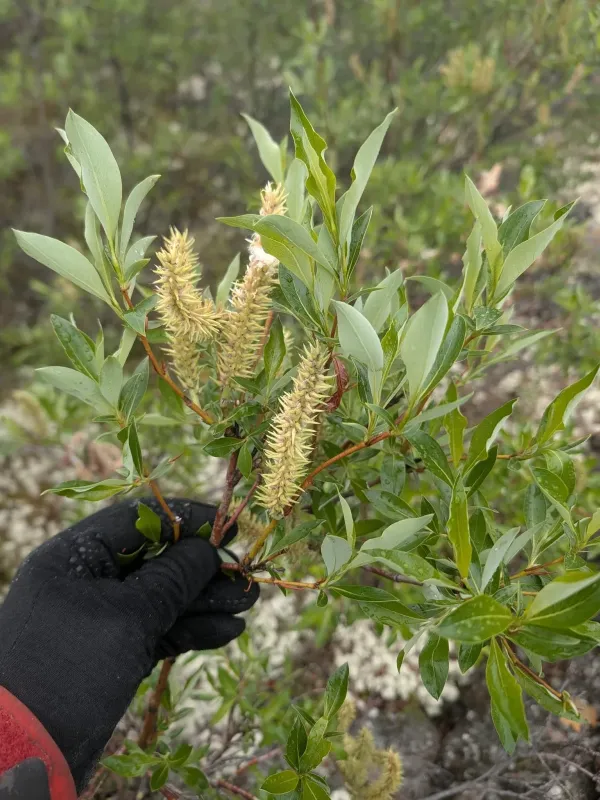
Description
Growing requirements
Diamondleaf willow (Salix pulchra) is a member of the Salicaceae family, recognized for its exceptional hardiness and adaptation to cold, northern climates. It typically grows as a low-lying shrub, often found in arctic and alpine ecosystems.
The species is distinguished by its leathery, shiny leaves, which have led to its common name and botanical specific epithet. It thrives in open, sunny locations with constant moisture, often populating riparian zones and arctic heaths.
For successful cultivation, the soil must be well-drained yet moisture-retentive, ideally composed of organic-rich loam. It does not tolerate prolonged waterlogging if the water is stagnant, requiring instead the freshness of mountain streams or drainage.
Climate adaptation is the primary strength of this species. It requires cold winters to enter dormancy properly; therefore, it is best suited for cultivation in cooler temperate or subarctic regions with sufficient natural rainfall.
Agrotechnical maintenance includes minimal pruning, primarily to remove dead or diseased stems after the winter season, ensuring the plant maintains a healthy architecture and continues to spread effectively.
Main diseases and pests
The most common health issues for the Diamondleaf willow include fungal rusts and powdery mildew. These pathogens thrive in high-humidity microclimates where air circulation is restricted by overcrowding or tall weeds.
Insect pests, such as leaf beetles and aphids, are known to target the foliage. While these insects rarely kill the plant, severe infestations can diminish its aesthetic value and retard growth during the short arctic summer.
Integrated pest management is recommended, starting with site selection that ensures good drainage and sun exposure to keep the foliage dry. This preventative approach is more effective than chemical control.
In cases of heavy infestation, using organic neem oil or insecticidal soaps can mitigate pest populations without damaging the delicate balance of the surrounding northern soil microbiome.
Monitoring the plant regularly for early signs of leaf discoloration or wilting is crucial for quick intervention, preventing the spread of diseases throughout the nursery or garden plot.