
Salix prolixa
Salix prolixa
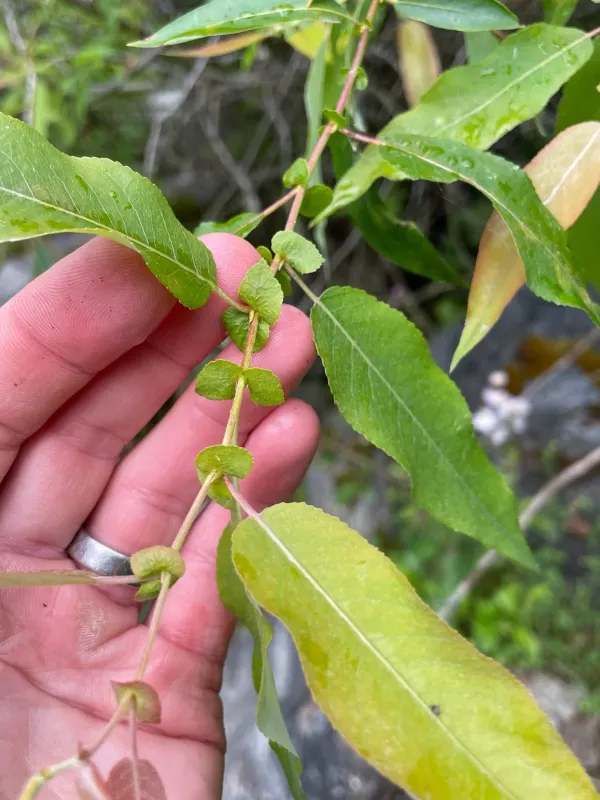
Description
Growing requirements
Salix prolixa is a resilient perennial plant belonging to the Salicaceae family, recognized for its rapid growth rate and significant potential as a biomass feedstock in modern agriculture.
This species is native to North American regions, where it thrives in moist, riparian-like environments, showing strong adaptability to diverse alluvial soil conditions and water-saturated substrates.
The plant exhibits high cold tolerance, which is a key trait allowing its cultivation in northern temperate climates where growing seasons are limited by long and harsh winters.
Regarding soil management, Salix prolixa performs best in fertile loams with consistent moisture levels; however, it can tolerate a range of textures provided that the site maintains adequate drainage during high-water periods.
Cultural practices include establishing high-density plantations to maximize woody output per hectare, often requiring initial irrigation and weed control to ensure successful establishment during the first two years.
Main diseases and pests
Fungal diseases, particularly leaf rust, represent a primary threat to the crop, as they can cause premature senescence and reduce the photosynthetic capacity needed for biomass accumulation.
Pest pressure from willow leaf beetles and various stem-boring insects may necessitate integrated pest management strategies to protect the integrity of the young growth and long-term yield.
Bark cankers and other wood-decay fungi may develop if the plants are stressed by environmental factors or if the spacing is too narrow to allow for proper airflow within the rows.
Early detection of infestation sites is crucial for maintaining a healthy stand, as widespread outbreaks can significantly decrease the projected harvest volume over the plantation's lifespan.
Proactive monitoring and the selection of genetically resistant planting stock are the most effective ways to mitigate risks associated with common willow pathogens in industrial-scale operations.