
Phaner willow
Salix phanera
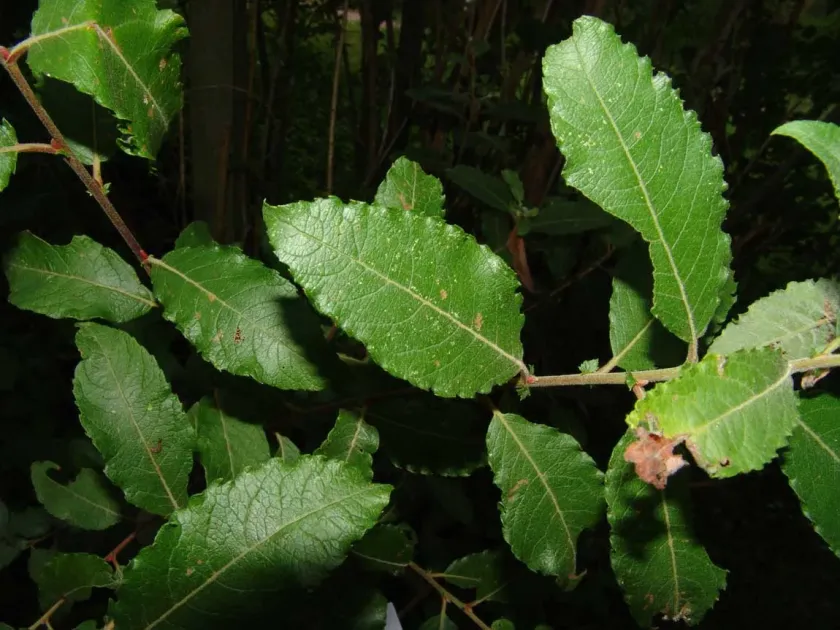
Description
Growing requirements
The Phaner willow (Salix phanera) is a perennial woody shrub belonging to the Salicaceae family. This species is characterized by high ecological plasticity, making it valuable for both ornamental horticulture and industrial basketry production.
The plant prefers well-moistened loamy or sandy-loam soils with a neutral or slightly acidic pH level. In its natural habitat, the range of distribution is associated with river valleys and lake shores, which provide a stable supply of groundwater.
For optimal growth, the crop requires an open, sunny location. Willows of this species are noted for their high frost resistance, allowing them to be cultivated in regions with harsh winters, although seedlings require protection from dry, high-velocity winds in their first years.
From an agrotechnical perspective, it is crucial to provide regular but not excessive organic fertilization in the spring. The soil around the plant should be kept loose, which facilitates root oxygenation and prevents the formation of a surface crust.
Economic uses of the species include the creation of living fences, shoreline stabilization to prevent soil erosion, and the production of high-quality material for weaving and decorative crafts.
Main diseases and pests
The primary threats to Salix phanera are fungal diseases, with leaf rust and anthracnose being the most common. In conditions of high humidity, shoots may be affected by powdery mildew, requiring the application of fungicide treatments.
Among pests, the willow leaf beetle and various species of aphids are the most damaging, as they extract sap from young leaves. Additionally, caterpillars of the satin moth represent a serious threat, capable of defoliating the entire crown of the plant in a short time.
Disease prevention consists of timely sanitary pruning of the crown to ensure adequate airflow. Removing and destroying fallen leaves in the autumn significantly reduces the risk of fungal spore reinfection in the following season.
To combat insects at initial stages, the use of biological agents is recommended, as they are gentle on beneficial entomofauna. Systemic insecticides should be applied only during mass outbreaks that threaten the survival of the willow stands.
An essential element of plant defense is maintaining high plant immunity through proper irrigation and balanced feeding. A healthy Phaner willow shrub resists pest infestations significantly better than weakened specimens.