
Petiole willow
Salix petiolaris
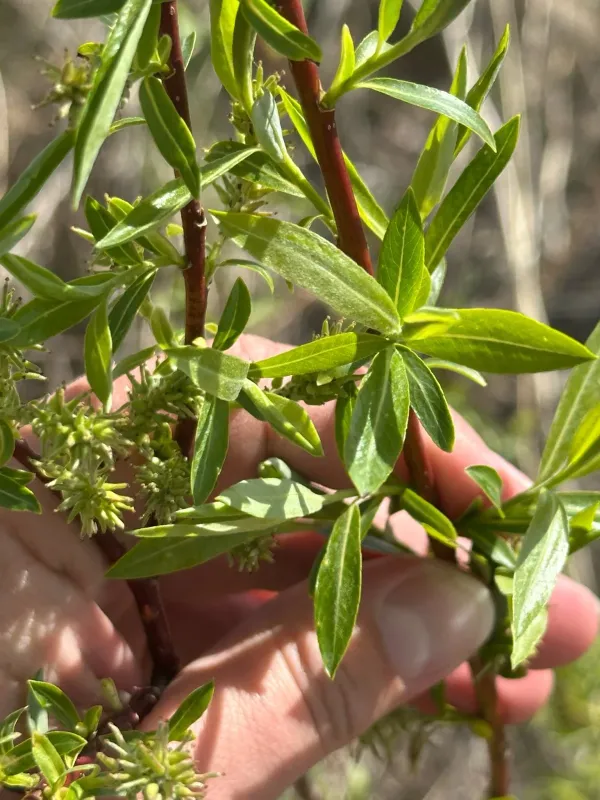
Description
Sowing dates
Propagation of the Petiole willow (Salix petiolaris), belonging to the Salicaceae family, is predominantly achieved through vegetative methods using cuttings. The ideal time for harvesting and planting dormant hardwood cuttings is early spring, prior to the onset of active sap flow.
In commercial plantations, cuttings are planted into well-prepared soil with specific spacing to encourage the development of high-quality, straight stems. Ensuring optimal soil moisture during the initial weeks is critical for successful root establishment.
Seed propagation is possible, though rarely used in commercial farming due to the very short period of seed viability. Seeds should be sown immediately after collection onto moist, prepared seedbeds if required for breeding purposes.
Site preparation involves deep ploughing and the incorporation of organic matter. Given the aggressive nature of the willow's root system, proper spacing is essential to facilitate mechanical maintenance and ensure adequate access to nutrients.
Early spring planting allows the willow to develop a robust root system before the onset of summer heat, which is vital for the long-term vitality of the plantation and its overall growth performance.
Growing requirements
The Petiole willow is a moisture-loving species that thrives in damp soils, floodplains, and near water bodies. It demonstrates remarkable tolerance to high water tables, where other agricultural crops would fail due to waterlogging.
This species is highly cold-hardy, making it suitable for cultivation in temperate climates. It easily withstands severe winters typical of northern regions within its range, requiring no additional protection once established.
Optimal soil pH for this willow ranges from slightly acidic to neutral. While it can adapt to heavy clay soils, the application of nitrogenous fertilizers significantly boosts biomass production and stem elongation.
For maximum productivity, open and sunny locations are required. Shaded environments tend to inhibit growth and reduce the quality of the foliage and shoots, which are essential for its decorative and industrial value.
The Petiole willow is an excellent choice for land reclamation and the creation of windbreaks in wet areas, as it contributes significantly to soil stabilization and water management in challenging ecosystems.
Yield
The primary yield metric for the Petiole willow is the volume of harvestable rods suitable for basketry or biomass for bioenergy. Under intensive cultivation, annual stem growth can reach up to 2 meters in length.
For basketry and furniture, quality rods depend on regular pruning of the mother plant. Frequent harvesting keeps the wood flexible and prevents the stems from becoming too thick or brittle for traditional weaving purposes.
In the bioenergy sector, the Petiole willow is valued as a fast-growing biomass crop. It provides a consistent supply of woody material for heating when harvested on short rotation cycles (typically every 1 to 2 years).
To sustain high yields, plantations must be rejuvenated periodically. Harvesting encourages the development of new shoots from the root collar, which are more productive and of higher quality than older, aging stems.
Overall productivity is heavily influenced by the choice of clone and strict adherence to agrotechnical guidelines, particularly regarding the control of weeds during the first years of plantation growth.
Main diseases and pests
The Petiole willow is susceptible to fungal infections such as leaf rust and anthracnose, especially in humid conditions with poor air circulation. Proper spacing and timely thinning are essential preventative measures.
Pests, particularly leaf beetles and willow weevils, can cause significant damage to the foliage and stems. Integrated pest management, including the use of biological controls, is recommended to mitigate these risks.
Aphid infestations are another common issue, as they feed on young, tender growth and stunt shoot development. Regular monitoring is necessary to identify and treat hotspots before the infestation spreads across the plantation.
A balanced nutrient program is vital for plant immunity. Strong, well-nourished plants show higher resistance to both biotic stressors and environmental challenges, reducing the need for chemical intervention.
During winter, young plantations are vulnerable to rodent damage, particularly from hares and voles. Protective measures, such as fencing or the use of repellents, are standard practices to ensure the survival of young shoots.
Harvesting
Harvesting is performed during the plant's dormant season, either in late autumn after leaf drop or early spring before the buds break. This period ensures the wood has the optimal moisture content for industrial use.
Rods are harvested using manual shears or mechanical harvesters. A clean cut close to the ground is essential to promote vigorous regrowth and maintain the long-term health and productivity of the willow stools.
Post-harvest, the stems are sorted by length and diameter. Depending on the intended use, they are then processed through peeling, boiling, or drying, which are critical steps for preparing the willow for crafts or furniture.
For bioenergy production, mechanical harvesters are used to chip the willow directly in the field. This significantly increases efficiency and reduces the costs associated with transportation and logistical handling of the biomass.
Consistent, systematic harvesting is the foundation of a successful willow plantation. Neglected rods that are not harvested in time lose their industrial value, reinforcing the importance of a strict harvesting schedule.