
Coin-leaf willow
Salix nummularia
Description
Growing requirements
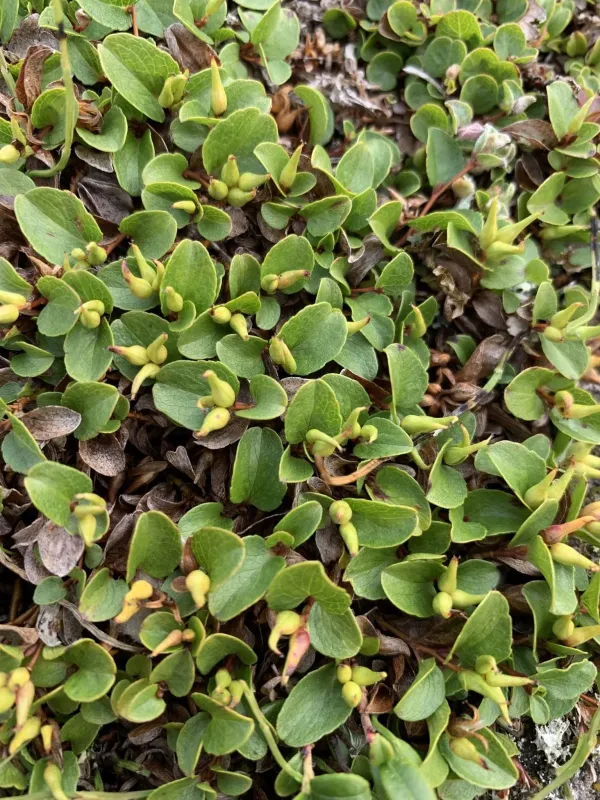
The coin-leaf willow (Salix nummularia) is a unique prostrate shrub belonging to the Salicaceae family. It is a highly specialized plant that grows very close to the ground, rarely exceeding a height of 10 centimeters, making it an excellent ground cover for cold regions.
The species originates from the alpine and arctic zones of East Asia and Siberia. It has evolved to survive in harsh, rocky environments, where it clings to the soil, protected from strong winds by the topography of its mountainous habitat.
Regarding soil requirements, it demands excellent drainage and a slightly acidic to neutral pH. It thrives in gravelly or sandy substrates that mimic the scree slopes of its natural habitat. Heavy clay soils should be avoided or heavily amended to ensure proper oxygenation of the roots.
Cultivation practices primarily focus on maintaining consistent moisture levels during the establishment phase. While it is fully winter-hardy, the plant requires a sunny location to maintain its tight, compact growth habit; in too much shade, the branches become leggy and weak.
In terms of usage, this willow is widely prized in rock gardening and as a soil stabilizer for small-scale landscape projects. Its dense growth effectively prevents soil erosion and creates a unique visual texture that mimics high-mountain vegetation in domestic gardens.
Main diseases and pests
The main threats to the plant include fungal diseases like mildew, which occur primarily in stagnant, humid environments. Maintaining good air circulation and avoiding overhead watering during cool, damp weather is essential for the long-term health of the willow.
Pests such as willow leaf beetles and spider mites can occasionally affect the foliage. Vigilant monitoring during the peak growing season, combined with horticultural soaps or systemic insecticides if necessary, will keep the plants thriving and free of damage.