
Blueberry willow
Salix myrtilloides
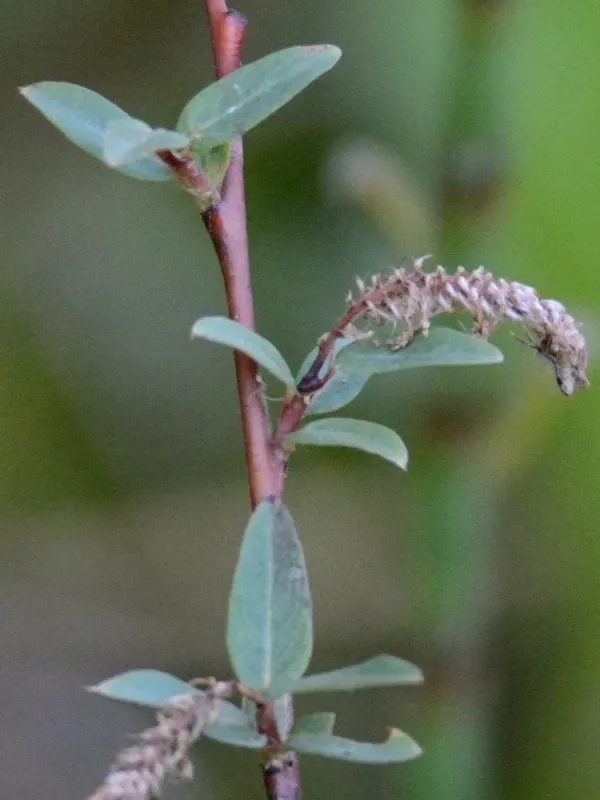
Description
Growing requirements
Blueberry willow (Salix myrtilloides) belongs to the Salicaceae family and is a low-growing shrub native to wetlands across Northern and Central Europe and Asia.
This species is a typical hydrophyte, adapted to acidic and peat-based soil environments. It thrives in habitats where the water table is at or very near the soil surface year-round.
Regarding soil requirements, the plant prefers oligotrophic peat soils. Proper cultivation requires maintaining these specific moisture levels, as the plant lacks drought-tolerance mechanisms.
The agrotechnical approach focuses on site selection that provides constant moisture and full sun exposure, as the blueberry willow does not tolerate shading from competing tall vegetation.
It is widely used in ecological restoration projects for peatlands and as a specialized plant in bog gardens or around the edges of naturalistic ponds.
Main diseases and pests
The main threats to Salix myrtilloides include fungal pathogens such as rusts and leaf spots that proliferate in stagnant, humid environments.
These diseases often attack the foliage, leading to premature leaf loss and structural weakening, which is particularly dangerous for small-sized shrub specimens.
Insect pests like aphids and willow leaf beetles can cause significant damage to young shoots, potentially impacting the aesthetic value and growth rate of the crop.
Habitat loss and drainage projects remain the greatest threats to the survival of this species in its natural environment, making its conservation a priority.
To maintain healthy growth, growers should avoid excessive fertilizer use, which can promote fungal growth, and prioritize sustainable management of local water conditions.