
Mucronate willow
Salix mucronata
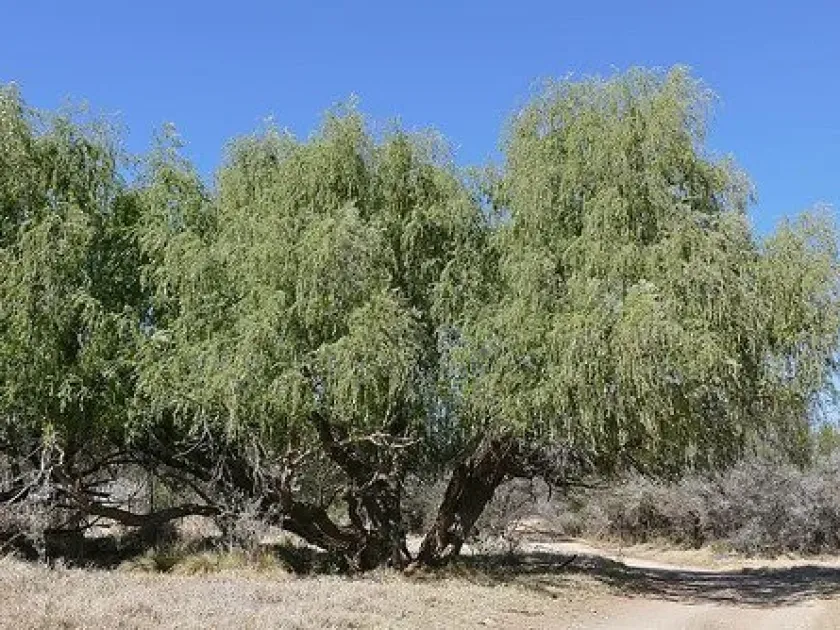
Description
Growing requirements
Mucronate willow (Salix mucronata) is a perennial species belonging to the Salicaceae family. It is native to tropical and subtropical regions of Africa, typically found thriving along riverbanks, streams, and lake margins.
The plant exhibits a high demand for water and prefers alluvial, nutrient-rich soils that remain moist throughout the growing season. Its root structure is highly adapted to riparian environments, providing stability in areas prone to seasonal flooding.
In terms of climatic requirements, it thrives in warm environments and lacks significant frost tolerance. Success in cultivation depends on ensuring the soil maintains sufficient moisture levels, as water stress can significantly hinder the plant's growth and biomass production.
Agronomic management involves periodic pruning to encourage healthy branching and ensure the production of uniform stems. Planting density should be carefully calculated based on the intended end-use, whether for timber, biomass, or environmental restoration projects.
This willow is valued for its economic versatility, including utility in basketry, paper pulp production, and as a nectar source for local honeybee populations. Furthermore, it serves as an excellent candidate for phytoremediation efforts in degraded habitats.
Main diseases and pests
The species is susceptible to various fungal pathogens, such as leaf rust and powdery mildew, which thrive in stagnant, humid air conditions. Maintaining adequate space between plants is essential to promote airflow and mitigate disease impact.
Pest management focuses on controlling leaf-feeding insects, such as beetles and gall-forming mites that affect foliage quality. Integrated pest management strategies are recommended to ensure long-term health and sustainable yield of the plantations.