
Salix moupinensis
Salix moupinensis
Description
Growing requirements
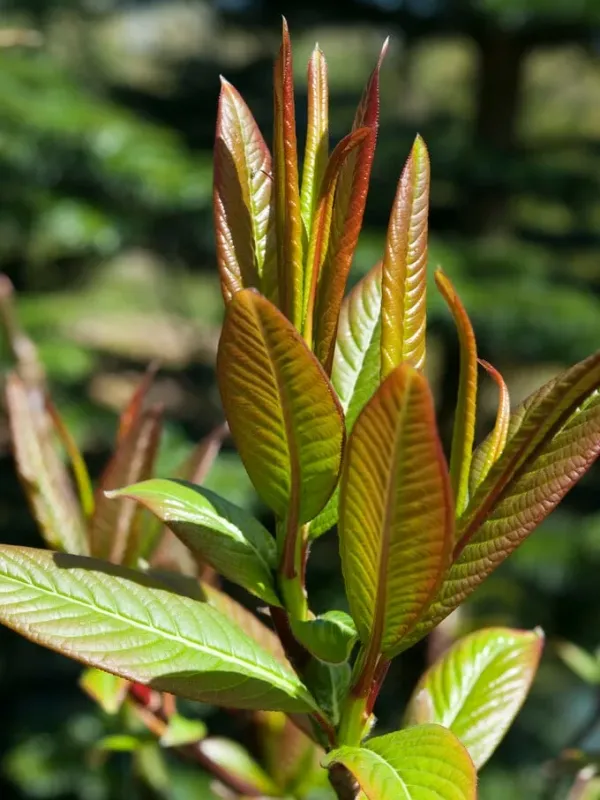
Salix moupinensis, belonging to the Salicaceae family, is a distinct deciduous shrub native to the mountainous regions of China. It is highly regarded for its unique botanical features, including large, rugose leaves and catkins that emerge in early spring, making it a sought-after specimen for specialized horticultural collections.
The plant thrives in moist, well-drained soils and is typically found in high-altitude habitats near water sources. When cultivating it in a garden setting, it is essential to ensure that the soil remains consistently damp but not waterlogged, as poor drainage can negatively impact the root system health.
In terms of agricultural requirements, this willow prefers sites with partial to full sunlight exposure. While it is quite hardy, providing shelter from strong, drying winds is advisable for younger specimens to prevent leaf scorch and ensure a more uniform growth pattern throughout the growing season.
Maintenance involves regular pruning to manage the shape and vigor of the shrub. Using organic mulches around the base of the plant can significantly help in moisture retention, which is crucial for the optimal development of this moisture-loving species in drier climatic regions.
The primary use of Salix moupinensis is aesthetic, often serving as a focal point in landscapes near ponds or in alpine-style gardens. Its ability to tolerate cool conditions allows it to be grown in various temperate zones, provided that the soil moisture needs are adequately met throughout the summer.
Main diseases and pests
Salix moupinensis is susceptible to several fungal diseases, particularly leaf rust and powdery mildew, which often flourish in stagnant, humid environments. Maintaining adequate spacing between plants to promote air circulation is a primary cultural method to mitigate these risks.
Insect pests such as willow leaf beetles and aphids can cause significant damage to the foliage during the summer months. Proactive monitoring of the plant's leaves and stems is essential for early detection, followed by the application of appropriate biological control measures when necessary.
Soil-borne pathogens can sometimes threaten the plant, especially if the site lacks proper drainage. To prevent root decay, it is important to avoid overwatering and to ensure that the planting area is situated where excess water can naturally drain away from the root zone.
Winter damage from rodents and extreme temperature fluctuations can weaken the plant's structure. Protecting the bark with physical barriers during the dormant season and ensuring the shrub is well-hydrated before the ground freezes are critical steps for long-term health.
Consistent care, including the removal of dead or diseased branches, is key to maintaining the vitality of the plant. By integrating these management practices, gardeners can successfully keep Salix moupinensis healthy and thriving in various outdoor environments.