
Salix mollissima
Salix mollissima
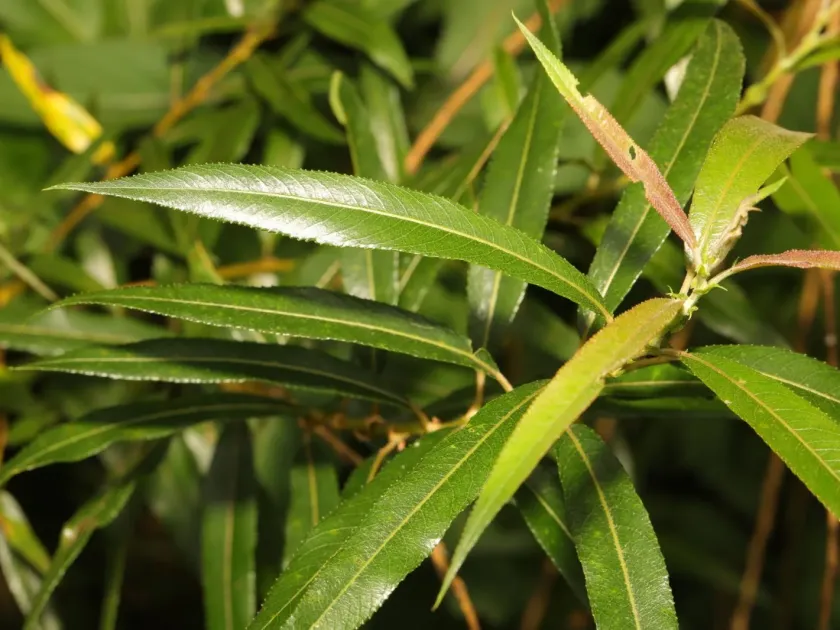
Description
Growing requirements
Salix mollissima belongs to the Salicaceae family and is a valuable shrub species characterized by high ecological plasticity. It can be successfully cultivated in various climatic zones, primarily within the temperate belt.
For successful growth, the crop requires moist but well-drained soils rich in nutrients. While the plant can tolerate temporary waterlogging, stagnant water may hinder root system development and promote rot.
Optimal pH levels for this species range from 5.5 to 7.5. The crop is highly photophilous (light-loving), so when establishing plantations, areas with heavy shade should be avoided to ensure vigorous growth.
Salix mollissima demonstrates excellent winter hardiness, making it a promising candidate for cultivation in northern and central regions. It adapts well to spring temperature fluctuations, reducing risks in variable climates.
Cultivation technology includes strict weed control during the first two years, as young shoots are sensitive to resource competition and require a clean environment to establish properly.
Yield
The primary agricultural use of this willow is the production of high-quality rods for basketry. Its wood is highly prized by artisans for its softness, flexibility, and overall durability in woven products.
Furthermore, Salix mollissima is utilized as an energy crop. The rapid growth rate of its shoots allows for regular harvesting of woody biomass, which is used for wood chips or biofuel pellets.
Yield depends significantly on planting density and soil fertility. In industrial-scale operations, with proper management, the crop produces high volumes of raw material within a short harvest cycle.
The plant is also used in phytoremediation, as its extensive root system effectively stabilizes riverbanks and prevents soil erosion in agricultural watersheds.
Additionally, Salix mollissima serves as an early honey plant, providing crucial nectar for bee colonies during the early spring season.
Main diseases and pests
Leaf beetles are among the most dangerous pests, as they can cause significant damage to foliage and hinder the development of young stems, which is critical for rod quality.
Plantations may occasionally be affected by leaf rust caused by fungal pathogens. To minimize risks, growers should ensure adequate ventilation and promptly remove infected branches.
Stem borers, such as longhorn beetles, pose another threat by tunneling into the wood, which degrades its quality for professional wicker work. Maintaining plant vigor is the best prevention.
In some years, aphid infestations may occur, causing stunted growth. Integrated pest management, focusing on biological controls, is preferred over synthetic chemical treatments.
Timely sanitary pruning is essential to maintaining the phytosanitary status of the plantation and preventing the spread of diseases within the dense crop stands.