
Mielichhofer's Willow
Salix mielichhoferi
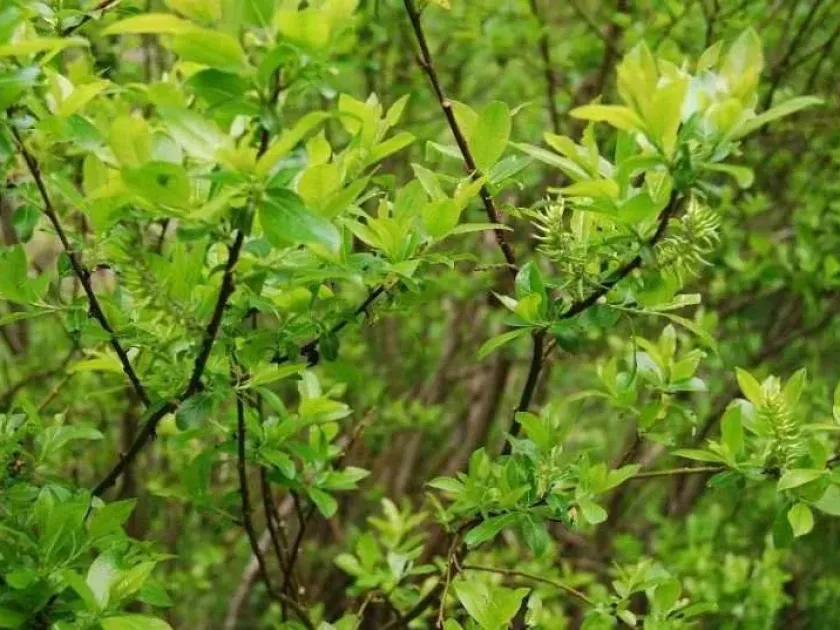
Description
Growing requirements
Mielichhofer's Willow (Salix mielichhoferi) belongs to the Salicaceae family and is a specialized shrub species native to high-altitude and alpine environments. Its biological structure is finely tuned to withstand extreme temperature fluctuations and a restricted growing season characteristic of mountain climates.
This crop requires well-drained, nutrient-poor, and stony soils that reflect its native habitat. Cultivators should avoid heavy clay soils, as they promote water retention, which is detrimental to the plant's root system and often leads to oxygen starvation in the rhizosphere.
Light availability is the most critical environmental requirement for this species. As a plant adapted to open alpine slopes, it demands full exposure to direct sunlight throughout the day to sustain its dense growth pattern and overall health during the intensive vegetation period.
Management of soil moisture is essential for long-term survival. While the species is accustomed to damp mountain air, it necessitates excellent drainage to prevent root rot. Supplemental watering should only be performed during prolonged dry spells, ensuring the surface layer dries out between sessions.
Maintenance involves routine pruning to preserve the natural form and encourage vigor. It is recommended to perform these activities in late winter or early spring before the buds begin to swell, which minimizes sap loss and facilitates faster healing of the cut surfaces.
Main diseases and pests
The primary threats to Salix mielichhoferi include fungal pathogens, such as willow rust and leaf spot, which thrive in stagnant, humid environments. Maintaining sufficient spacing between individual plants is the best cultural practice to reduce the incidence of these pathogens.
Insects like leaf beetles (Chrysomelidae) can occasionally infest the foliage, leading to defoliation if left untreated. Integrated pest management strategies, including the use of targeted biological controls, are highly recommended to preserve the plant's structural integrity.