
Meyer's willow
Salix meyeriana
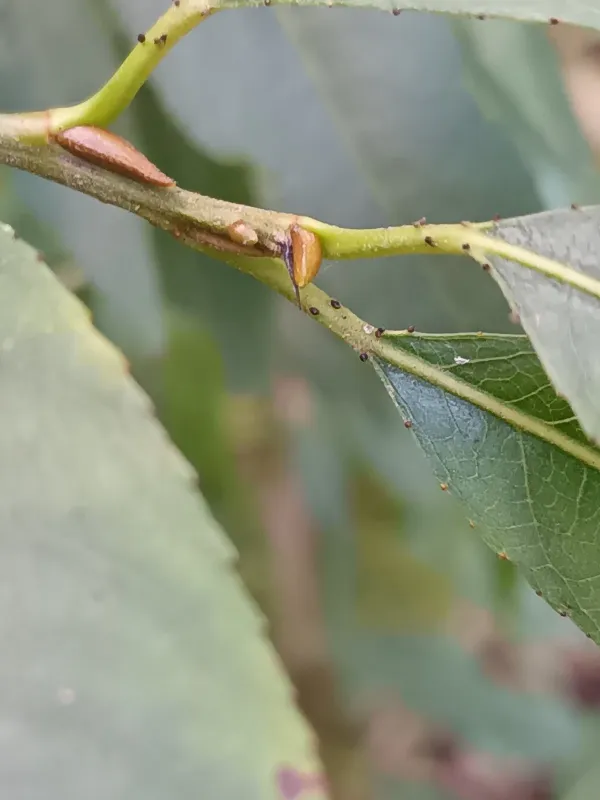
Description
Sowing dates
Propagation of Meyer's willow is most commonly carried out by vegetative methods, specifically using dormant or green cuttings. The best time for collecting cuttings is during the plant's dormant period, which occurs in late autumn or early spring before sap flow begins.
Prepared cuttings are planted in pre-moistened, loose soil. The optimal planting depth is approximately 15–20 centimeters, and it is crucial to ensure firm contact between the soil and the bottom of the cutting to stimulate root development.
To accelerate survival rates on commercial plantations, special root-stimulating hormones can be used. Planting in a permanent location is preferred in spring, as soon as the soil thaws and warms up to a temperature of +5...+8 degrees Celsius.
Planting density depends on the intended use of the plantation. For creating windbreaks or biomass energy plantations, a layout with 1.5–2 meters between rows and 0.5–0.8 meters between individual plants within rows is usually maintained.
Seed propagation is rarely used in agricultural practice due to the extremely short viability of seeds, which lose their germinative capacity just a few days after ripening.
Growing requirements
Meyer's willow (Salix meyeriana) belongs to the Salicaceae family and is a woody plant that requires high levels of moisture. Its hybrid origin and specific natural range make it highly dependent on the local hydrological regime.
The culture prefers well-lit areas, as it is a sun-loving plant. In shaded conditions, crown development slows down, and the shoots become thin and less resistant to mechanical damage.
The plant grows well in fertile loamy and sandy-loam soils with a neutral or slightly acidic pH. Meyer's willow possesses high winter hardiness, allowing it to be successfully cultivated in regions with temperate and cold climates.
A critical factor for growth is the proximity of groundwater. The plant tolerates temporary waterlogging exceptionally well, which is why it is often used for bank stabilization and the restoration of wetlands.
Agronomic care in the first years of life includes regular loosening of the soil around the base and the removal of weeds that can suppress young seedlings and compete for nutrients.
Yield
The agricultural use of Meyer's willow is primarily linked to biomass production, which can be utilized as a source of renewable energy in the form of wood chips or pellets. Wood growth rates depend on moisture availability and soil fertility levels.
In favorable conditions, the culture demonstrates high shoot productivity. From one hectare of plantation using intensive growing technology, a significant volume of biomass can be harvested as early as the third or fourth year after establishment.
Beyond energy use, Meyer's willow is valued in land reclamation. Its ability to quickly form a dense root system allows it to effectively prevent soil erosion on slopes and in river floodplains.
Willow wood is used in weaving, the production of lightweight containers, and small-scale carpentry. The flexibility and strength of annual shoots are key parameters of crop quality for these purposes.
To maintain high yields, sanitary and rejuvenating pruning is performed annually or every two years, which stimulates the growth of new, vigorous shoots and prevents the thinning of the plantation.
Main diseases and pests
The primary threat to Meyer's willow plantations is fungal diseases, such as willow scab and various types of leaf spots, which actively develop in conditions of high air humidity and stagnant water.
Among pests, leaf beetles and willow moths cause the most damage. The larvae of these insects can destroy a significant portion of leaf mass in a short time, leading to reduced plant growth rates.
To combat pests on a commercial scale, broad-spectrum insecticides are used. An important preventative measure is the timely removal of plant debris, where fungal spores and pest pupae can overwinter.
Powdery mildew can also affect young shoots, causing deformation. Prevention consists of maintaining optimal planting density, which ensures good air circulation within the plantation.
In cases of severe infestation, the use of copper-based fungicides or systemic pesticides is recommended. Regular phytosanitary monitoring of the plantations allows for the detection of outbreaks at early stages to minimize losses.