
Shining willow
Salix lucida
Description
Growing requirements
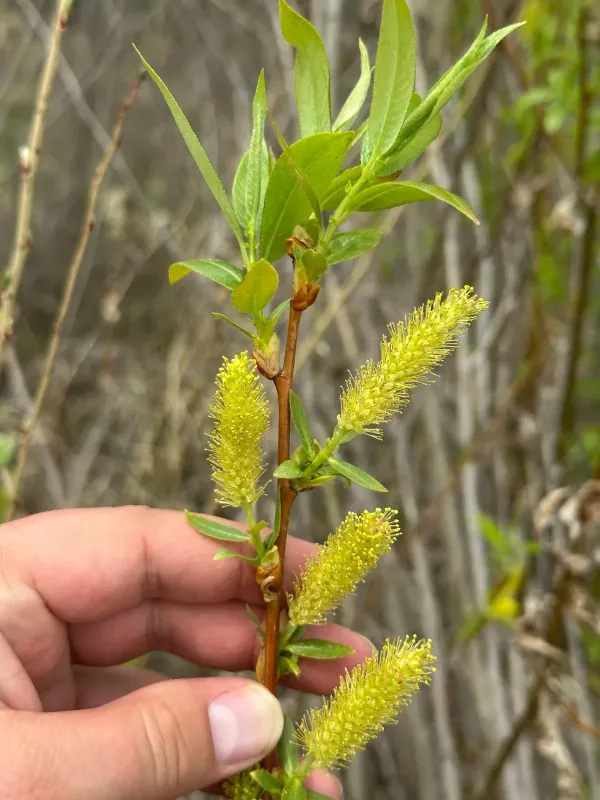
The shining willow (Salix lucida) is a perennial woody plant belonging to the Salicaceae family. It is native to North America and is well-regarded for its glossy, lanceolate leaves, which provide a distinct aesthetic appeal in both wild and cultivated landscapes.
This species is classified as a moisture-loving plant, making it an ideal candidate for riparian restoration projects. It thrives best in soils that are consistently moist or even saturated, typically found near streams, ponds, or low-lying areas that retain water throughout the season.
Optimal growth requires full sun exposure to maintain the characteristic luster of its foliage and to promote a dense growth habit. While the plant can tolerate a variety of soil types, including sandy or silty substrates, it performs best when the medium is rich in organic matter and nutrients.
Agricultural management of Salix lucida includes strategic pruning, which is essential for maintaining plant health and aesthetic shape. Regular maintenance prevents overcrowding and allows for better air circulation, which significantly reduces the risk of fungal outbreaks within the crown.
The shining willow is highly valued for its role in erosion control. Its extensive root network acts as a natural soil binder, making it perfect for stabilizing riverbanks and mitigating the effects of water-based soil degradation in sensitive environmental zones.
Main diseases and pests
The primary health threats to the shining willow include fungal diseases such as leaf rusts and black canker. These conditions are often exacerbated by poor air circulation or extended periods of high humidity combined with limited sunlight, requiring prompt sanitation of infected branches.
Insects like the willow leaf beetle and various aphids can cause significant aesthetic damage. Integrated pest management practices, including the use of horticultural oils or biological controls, are generally recommended to preserve the vitality of the willow trees in managed landscapes.