
Lindley's willow
Salix lindleyana
Description
Growing requirements
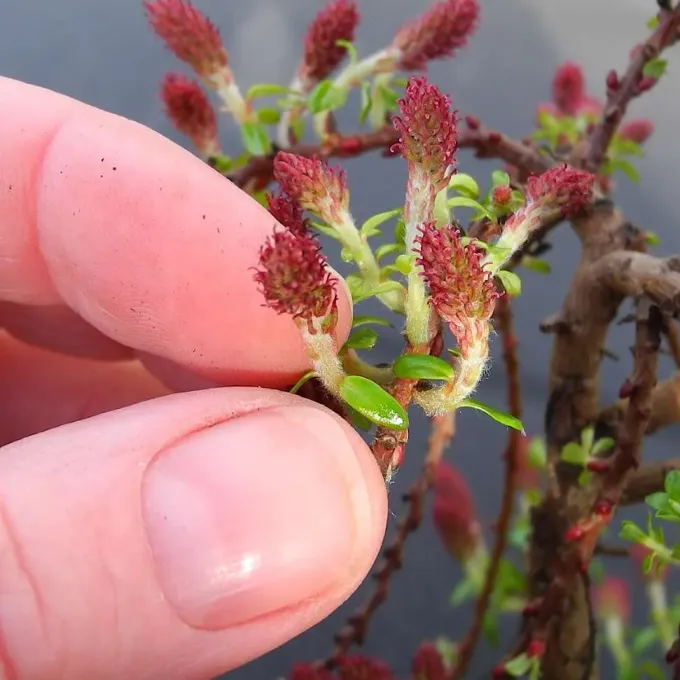
Lindley's willow (Salix lindleyana) is a dwarf, prostrate shrub belonging to the Salicaceae family. This species is native to the high-altitude regions of the Himalayas, where it thrives in harsh mountain environments, exhibiting remarkable resilience to cold and wind.
As an alpine specialist, this plant requires cool, airy conditions and a stable moisture regime. It is perfectly adapted to rocky soils, growing naturally in crevices or on gravelly slopes. In a garden setting, it requires well-draining, slightly acidic to neutral substrate to remain healthy.
Successful cultivation depends on avoiding stagnant water, which can be detrimental to its shallow root system. The plant prefers full sun to light shade in northern climates, but in warmer areas, it benefits from protection against the intensity of midday sun.
Agrotechnical maintenance involves regular, light irrigation and mulching with inorganic materials like stones or gravel. This practice mimics its natural habitat, keeps the root zone cool, and prevents the lower foliage from coming into direct contact with wet soil.
The primary use of Lindley's willow is decorative, particularly in rock gardens or as a groundcover on slopes. Its extremely slow growth rate and miniature stature make it a prized plant for miniature landscapes and alpine collections that require minimal maintenance.
Main diseases and pests
The primary diseases affecting this willow are fungal infections such as powdery mildew and leaf spots, which are usually induced by poor air circulation or excessive leaf moisture. Good garden hygiene, including the removal of debris, is essential for control.
Insect pests including aphids and leaf-rolling caterpillars can occasionally attack the tender new growth. Integrated pest management using insecticidal soaps or systemic treatments is recommended if the population threshold of these pests is exceeded.
Root rot represents a significant risk if the soil lacks proper drainage. Ensuring that the planting site has been well prepared with adequate drainage material is the best preventative strategy against these types of soil-borne pathogens.
Environmental stress, such as extreme heat or drought, can weaken the plant, making it more susceptible to secondary infections. Maintaining a consistent moisture level is crucial for the overall vigor and disease resistance of the willow throughout the active growing season.
To ensure long-term health, avoid overcrowding in planting beds. Proper spacing allows for the air circulation necessary to dry the foliage quickly after rainfall, thereby significantly reducing the incidence of leaf-related diseases in this species.