
Arroyo willow
Salix lasiolepis
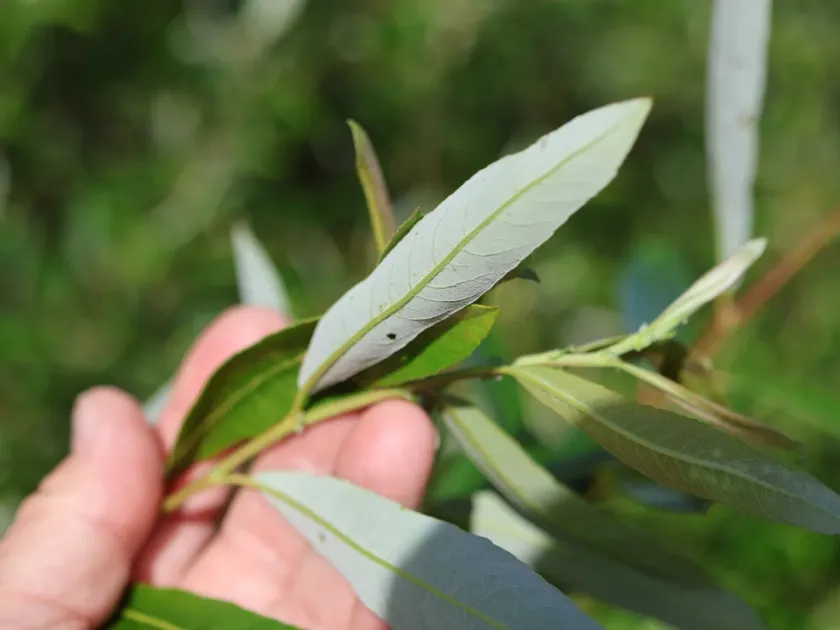
Description
Growing requirements
Arroyo willow (Salix lasiolepis) belongs to the Salicaceae family and is native to the western regions of North America. It is typically found in riparian zones, demonstrating a strong preference for habitats with consistent soil moisture.
The plant thrives in full sun exposure, which is critical for maintaining its vigorous growth rate and structural integrity. While it prefers moist soil, the species requires adequate drainage to prevent root rot during extended periods of waterlogging.
Botanically, it is classified as a large shrub or small tree. Its ability to colonize disturbed areas makes it a primary choice for environmental restoration projects, particularly in sensitive riparian ecosystems.
Cultivation requires minimal fertilizer inputs as the plant is adapted to nutrient-rich alluvial soils. Proper spacing in plantation settings is essential to allow for canopy development and to manage local humidity levels effectively.
This species is highly valued for its role in soil stabilization. Its extensive root system binds riverbanks effectively, preventing sediment loss and enhancing the overall resilience of the riparian corridor.
Main diseases and pests
Common pathological issues include powdery mildew, which often impacts foliage density during periods of low air movement and high relative humidity.
Leaf beetles are the most frequent insect pests, often causing defoliation that can stunt the growth of young specimens if left unmanaged.
Fungal infections like leaf spots may occur in environments with poor sanitation, often facilitated by the accumulation of leaf litter around the base.
Integrated pest management strategies involve monitoring for egg clusters and using mechanical removal or biological controls to protect plant health.
Maintaining adequate plant vigor through correct watering and pruning techniques is the most effective defense against both biotic and abiotic stressors.