
Dwarf willow
Salix humilis
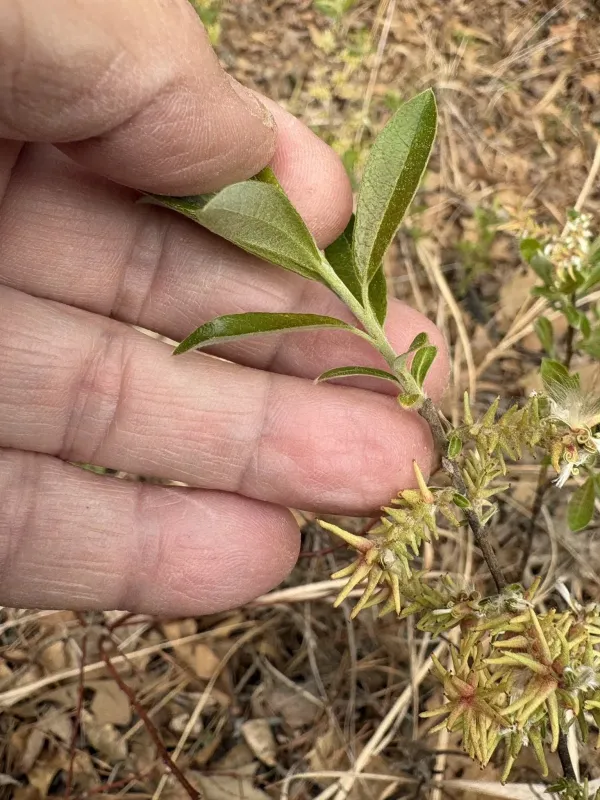
Description
Sowing dates
Propagation of dwarf willow (Salix humilis) is primarily achieved through vegetative methods, specifically using dormant hardwood cuttings. The ideal time for harvesting these cuttings is during the winter dormancy period, either in late autumn or early spring before the onset of sap flow.
When planting, cuttings should be placed into well-prepared soil, with at least two or three buds buried to encourage the development of a robust root system. Adequate moisture levels in the soil are essential during the initial planting phase to ensure the cuttings successfully establish themselves.
While seed propagation is possible, it is rarely practiced in commercial agriculture due to the extremely short viability period of willow seeds. If seeds are used, they must be sown immediately after collection into loose, consistently moist soil to ensure successful germination.
For commercial plantations, specific planting densities should be followed based on the intended use, such as biomass production or ornamental purposes. Spacing should allow for adequate light penetration and airflow between the plants to minimize competition.
Container-grown seedlings can be planted throughout the growing season provided that they receive regular supplemental irrigation. This is particularly crucial during the first year to ensure the plant can thrive in its new environment.
Growing requirements
Dwarf willow, a member of the Salicaceae family, is a deciduous shrub characterized by its remarkable adaptability to various environmental conditions. Its natural distribution ranges throughout North America, where it typically inhabits dry prairies, hillsides, and woodland borders.
Unlike many other willow species, Salix humilis is notably drought-tolerant and thrives in well-lit areas. It can adapt to poor or sandy soil types, making it a valuable crop for reclaiming degraded land where more demanding species might fail to grow.
The shrub is not particularly sensitive to soil acidity, though it exhibits superior biomass growth in light, well-aerated loams. Its inherent cold-hardiness makes it suitable for cultivation across a broad spectrum of temperate climate zones.
Proper field maintenance includes active weed control, especially during the establishment years. Competition from grasses and weeds can significantly hinder the growth of young shrubs, so regular weeding or mulching is recommended.
Routine pruning is highly beneficial for this species. It not only keeps the shrubs in a manageable shape but also promotes healthy branching, which is essential for producing high-quality shoots for commercial use or ornamental landscape design.
Yield
The yield of dwarf willow is primarily measured in terms of total woody biomass produced annually. This resource is highly sought after for various applications, including traditional basketry, furniture making, and as a source of renewable energy through biomass fuel.
Productivity is directly linked to the fertility of the soil and the consistency of the maintenance regimen. With proper management and regular harvesting, a plantation can provide consistent, high-volume yields for many years.
Dwarf willow serves as an excellent candidate for energy forestry. Its wood has a favorable calorific value when burned, making it a sustainable and cost-effective alternative to fossil fuels in specific regional energy markets.
To maximize yields, it is necessary to implement a rejuvenation pruning cycle. This process replaces older, less productive stems with vigorous new growth, ensuring the plantation maintains its peak physiological capacity throughout its lifespan.
Actual yields may vary based on climatic conditions and site-specific management, but under optimal conditions, dwarf willow is a reliable and highly productive woody crop for diverse agricultural needs.
Main diseases and pests
While dwarf willow is generally a hardy species, it can be susceptible to specific pests and diseases common to the Salix genus. Leaf-chewing insects, such as willow beetles, can cause significant damage if left unchecked, reducing the plant's overall vitality.
Fungal diseases, including various rusts and leaf spots, pose a significant risk, especially in regions with high humidity and stagnant air. These conditions promote the rapid spread of spores, which can lead to defoliation and weakened growth.
Preventative measures are the most effective way to manage these threats. This includes ensuring proper plant spacing for airflow and the prompt removal of infected branches to prevent the further spread of pathogens across the plantation.
Integrated Pest Management (IPM) should be practiced to monitor for signs of aphids or leaf rollers. Selective use of biological or chemical control agents should be considered only when pest populations exceed the economic threshold.
Maintaining the overall health of the shrubs through proper irrigation and balanced fertilization creates a robust defense mechanism, making the plants less vulnerable to opportunistic infections and environmental stress.
Harvesting
Harvesting dwarf willow should be conducted during the dormant season, typically in late autumn or early spring. At this time, the plant has stored all necessary nutrients in its root system, and the wood possesses the ideal flexibility and structural integrity.
The harvesting process involves cutting the stems close to the base of the plant. This technique encourages vigorous regrowth from the rootstock in the following season, which is essential for maintaining the productivity of the plantation.
After harvesting, the material should be sorted according to length, thickness, and quality. Stems intended for basketry or artistic crafts must be healthy, straight, and free from any physical defects caused by pests or pathogens.
Proper post-harvest handling is critical. The stems should be dried in a well-ventilated area or under a shed to prevent molding and to ensure the longevity of the wood for its final use.
Efficient organization of the harvesting phase allows for the reduction of labor costs and maximizes the economic return of the plantation, ensuring the long-term sustainability of the agricultural operation.