
Velvet-leaved willow
Salix holosericea
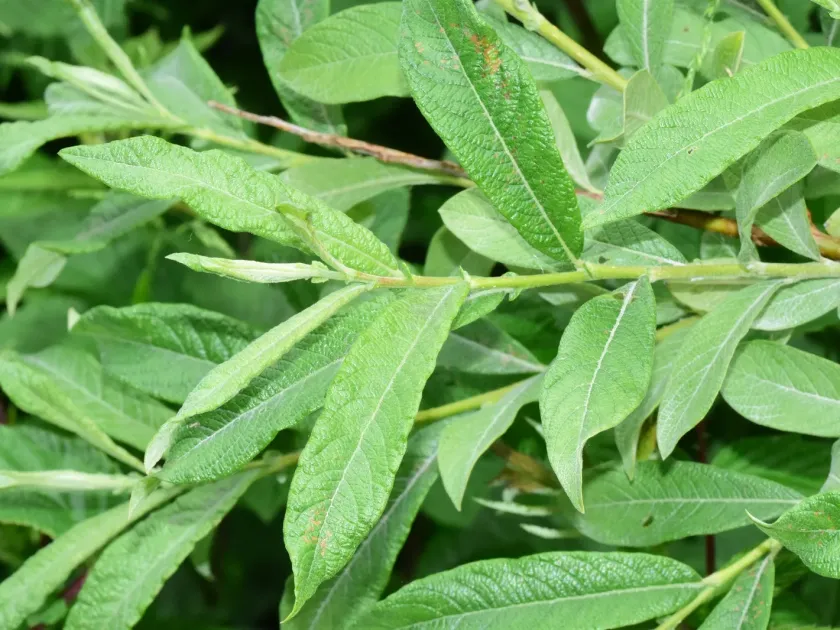
Description
Sowing dates
The propagation of the velvet-leaved willow (Salix holosericea) is primarily achieved through vegetative means, specifically using hardwood cuttings. These are best harvested during the plant's deep dormancy period, typically late autumn or early spring, before sap flow begins.
Cuttings should be approximately 20–30 centimeters long, ensuring they contain several healthy buds. They are planted directly into well-prepared soil, which helps establish a strong connection with the substrate and promotes early root development.
Maintaining consistent soil moisture is crucial during the initial weeks after planting. The soil should be well-aerated to prevent the base of the cuttings from rotting before the roots can adequately anchor the plant and begin nutrient uptake.
Planting density varies based on the intended purpose of the crop. For basketry or willow rods, high-density planting is preferred, often with rows spaced 30–50 centimeters apart, while ornamental or shelterbelt plantings require more space.
Applying rooting hormones can significantly increase the success rate of the cuttings, particularly when planting on less ideal soil types. This ensures a uniform stand and minimizes the need for replanting during the first season.
Growing requirements
The velvet-leaved willow, a member of the Salicaceae family, is a fast-growing deciduous shrub or small tree. Its native habitat includes riparian zones and floodplains, where it has evolved to thrive in consistently moist environments.
The crop requires fertile, loamy, or alluvial soils that possess high water-retention capacity. While it loves moisture, it does not tolerate stagnant, waterlogged conditions, so adequate soil drainage is an essential management consideration.
This species is highly photophilous and requires full sun exposure to maintain its characteristic growth rate and wood quality. Growing the willow in shaded areas can lead to thinner, less flexible rods that are unsuitable for commercial basketry.
Salix holosericea is noted for its high cold tolerance, making it suitable for a wide range of temperate climates. It handles significant seasonal temperature fluctuations and spring frost events well without sustaining permanent tissue damage.
To ensure high productivity, the plantation requires a steady supply of nutrients, particularly nitrogen and potassium. Regular fertilization, especially in the early years of stand development, is critical for maximizing annual biomass yield.
Yield
The economic value of the velvet-leaved willow is primarily tied to its high-quality rods used in professional basketry and wickerwork. Its wood is highly valued for its flexibility, tensile strength, and uniform diameter.
Yield depends heavily on the plantation's age, management practices, and site fertility. With optimal care, a single hectare of willow plantation can yield significant amounts of annual shoots, which are harvested for processing each year.
A major biological advantage of this species is its exceptional regenerative capacity. After annual harvesting, the stool remains vigorous, allowing the same plantation to be productive for 15 to 20 years without needing significant renewal.
Beyond traditional crafts, there is increasing interest in using this willow as an energy crop. Its high annual biomass output makes it a viable candidate for chip-based heating systems, contributing to sustainable energy goals.
Quality control during the harvest is essential, as the rods must be free from pest-related defects to command a premium price in the artisan market. Properly harvested shoots are usually bundled and air-dried to maintain their structural integrity.
Main diseases and pests
Willow leaf beetles and various species of weevils pose the most significant threat to willow stands. These pests can cause extensive defoliation, severely weakening the plant and reducing the quality of the wood for industrial use.
Fungal diseases, such as leaf rust and various spots, can thrive in dense stands with poor airflow and high humidity. These pathogens not only reduce growth rates but can also cause lesions on the rods, making them brittle and useless for weaving.
Proactive management includes ensuring correct plant spacing to allow for adequate airflow and cleaning up diseased plant material at the end of the season. This helps break the infection cycle of common willow-specific pathogens.
Integrated pest management, including the use of systemic insecticides during early growth phases, may be necessary in cases of severe infestation. Always ensure that any chemical application aligns with regional environmental regulations.
- Sanitary pruning of infected branches.
- Maintaining soil moisture levels to avoid stress.
- Mulching to reduce weed competition in the first year.
Harvesting
Harvesting is typically carried out during the dormant season, which ensures the highest possible rod quality. Manual cutting or mechanized harvesters are used to sever the shoots at the base without damaging the root collar.
Once harvested, the rods must be graded by length, diameter, and surface quality. This professional sorting is vital for secondary processing, such as boiling or bark-stripping, which prepares the willow for final consumer products.
Storage requires well-ventilated, dry facilities to protect the harvest from fungal decay. Bundles should be stacked in a way that promotes air circulation, preventing the buildup of trapped moisture during long-term storage.
Traditional preparation for weaving involves soaking the dried rods in warm water to restore their natural elasticity. The velvet-leaved willow is favored because it regains excellent flexibility without cracking under stress.
A clean harvest is essential for the longevity of the plantation, as any damage to the stool can slow down the regrowth of the following season. Proper maintenance at harvest time guarantees the sustained productivity of the willow crop.