
Hegetschweiler's Willow
Salix hegetschweileri
Description
Growing requirements
Hegetschweiler's Willow (Salix hegetschweileri) is a dwarf shrub species belonging to the family Salicaceae. Native to the high-altitude regions of the Alps, it is highly adapted to extreme environmental conditions, including rocky slopes and thin, nutrient-poor alpine soils.
This plant thrives in well-drained, slightly acidic to neutral soil environments. It is a heliophilous species, requiring full sun exposure to maintain its compact growth form and prevent etiolation, which often occurs if the plant is shaded by larger vegetation.
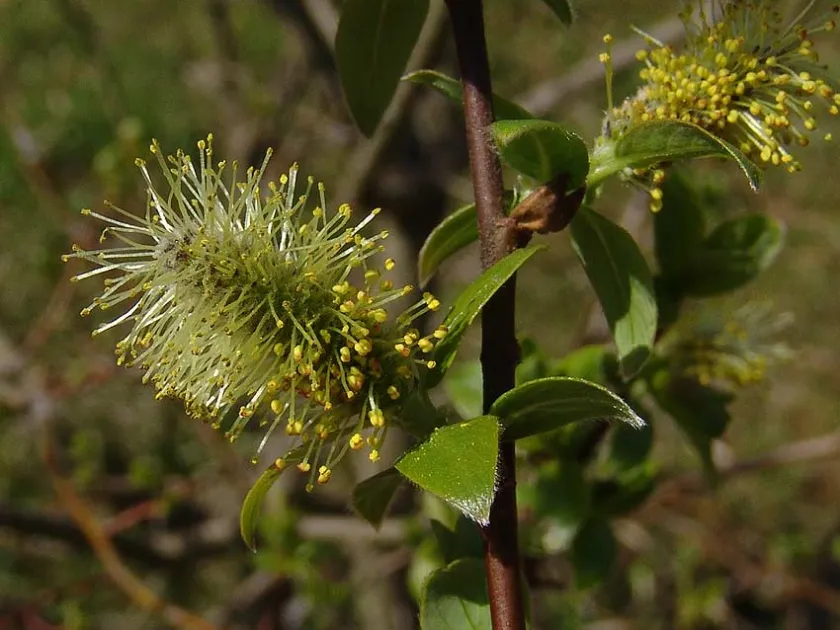
Morphologically, the plant is characterized by its small, often pubescent leaves and low, prostrate habit. This structure is a clear adaptation to the harsh, windy climate of its natural habitat, protecting the shrub from desiccation and mechanical damage caused by ice and snow.
Cultivation requires strict attention to soil moisture management. While it demands consistent moisture, it is extremely sensitive to waterlogging. Planting on embankments or in rockeries is the ideal agricultural practice to ensure natural drainage.
Climatologically, this species is suited for cool temperate regions. It is not recommended for high-heat environments, as the plant suffers from heat stress which significantly weakens its immune response and makes it susceptible to opportunistic pathogens.
Main diseases and pests
The primary threat to the stability of Salix hegetschweileri populations is fungal infection, particularly rusts (Melampsora spp.). Maintaining low humidity around the foliage and removing infected debris are essential cultural control measures.
Pests such as aphids and willow sawflies can colonize the foliage during the peak growing season. Regular scouting and, if necessary, the application of horticultural oils or biological soaps can keep pest populations below the economic injury level.
Winter damage caused by small mammals gnawing on the bark is a recurring problem in colder climates. Protective barriers are necessary to maintain the integrity of the main stems during the dormancy period when natural food sources for rodents are scarce.
Root rot pathogens are a major threat if soil aeration is compromised. In heavy soils, incorporating sand or fine gravel into the planting hole is a mandatory practice to prevent anaerobic conditions from developing.
Nutrient mismanagement, especially excessive nitrogen, can lead to succulent growth that fails to harden off before the first frost, making the plant vulnerable to winter dieback. A balanced, low-concentration fertilizer regime is recommended.