
Graham's willow
Salix grahamii
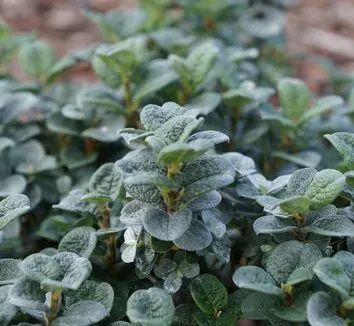
Description
Growing requirements
Graham's willow (Salix grahamii) is a prostrate, deciduous shrub belonging to the Salicaceae family. Originating from the mountainous regions of Scotland, this plant is well-adapted to rocky, alpine environments and displays significant resilience against cold temperatures.
Botanically, it is recognized for its dwarf, spreading habit and small, vibrant green leaves. It rarely grows taller than a few decimeters, making it an excellent choice for ground cover in rock gardens or specialized container arrangements where a low-growing profile is desired.
The cultural requirements for this plant emphasize the need for well-draining, slightly acidic to neutral soils. It thrives in sites with good aeration and cannot tolerate waterlogged conditions, which may cause root rot and rapid decline of the specimen.
Sunlight is a critical factor for the health of Graham's willow. It requires full sun exposure to maintain its dense foliage and avoid the etiolation of stems, which naturally occurs in shaded environments, reducing its overall ornamental value.
Basic maintenance includes providing moderate irrigation during the establishment phase and periods of extreme drought. Annual pruning in late winter or early spring helps maintain the desired shape and stimulates the development of new, healthy foliage for the upcoming season.
Main diseases and pests
The most common health issues for Graham's willow include various fungal infections, such as willow rust, which are often triggered by high humidity and poor air circulation.
Pests such as aphids and leaf-eating beetles can occasionally attack the plant, causing minor cosmetic damage that may affect the plant's overall vitality if infestations are left untreated.
Environmental stress, particularly prolonged soil saturation, represents the primary non-biological threat, often leading to physiological damage and susceptibility to secondary infections.
Regular sanitation, such as removing fallen leaves and pruning dead wood, is the most effective way to prevent the buildup of pathogens in the immediate growing area.
In cases of severe infestation or infection, targeted applications of horticultural oils or approved fungicides should be utilized, following all safety protocols for ornamental shrub protection.