
Gmelin willow
Salix gmelinii
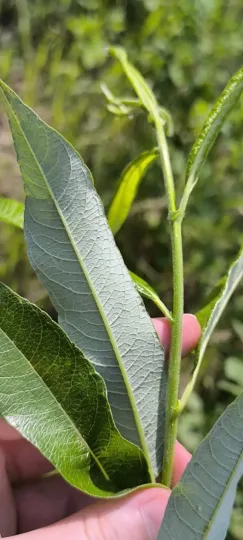
Description
Sowing dates
The propagation of Salix gmelinii is predominantly achieved through vegetative means, using dormant cuttings harvested during the winter or early spring. This method ensures the preservation of genetic uniformity across the plantation.
Cuttings, typically 20–25 centimeters in length, are planted in well-prepared soil as soon as temperatures allow for root development. The site must be cleared of weeds and debris to minimize competition during the critical establishment phase.
Planting density is determined by the intended end use; higher densities are often preferred for biomass production, whereas wider spacing is utilized for high-quality basketry rod production.
The insertion of the cutting into the soil should be precise to ensure deep contact and to avoid damaging the buds. Proper irrigation immediately after planting is essential for establishing the root system in the first few weeks.
Monitoring the rooting success after the first month is a standard agricultural practice. Replenishment of any failed plants is usually performed during the next planting cycle to maintain uniform plantation structure.
Growing requirements
As a member of the Salicaceae family, the Gmelin willow is an adaptive plant that thrives in sunny, open environments. Its natural habitat includes floodplains and areas with regular access to moisture, which is a key requirement for its growth.
The crop prefers sandy or loamy soils with good drainage and consistent water availability. While it tolerates periodic flooding, the plant performs best in soils that are not constantly waterlogged, as aeration is necessary for the roots.
Regarding climate, Salix gmelinii is highly frost-resistant, making it suitable for northern regions. It maintains active growth within moderate temperature ranges, typically between 15 and 25 degrees Celsius during the main season.
Soil nutrient management is crucial during the initial stages. The application of balanced nitrogen and potassium fertilizers promotes rapid stem elongation and leaf development, which are essential for biomass yield.
Proper airflow within the plantation is vital for disease prevention. Maintaining reasonable plant spacing reduces humidity levels within the canopy, thereby preventing the proliferation of fungal pathogens.
Yield
The primary agricultural utility of the Gmelin willow lies in the production of pliable rods for basketry and artisanal work. The rods are valued for their strength, uniformity, and flexibility after proper processing.
In recent years, the plant has gained significance in the bioenergy sector. Willow plantations serve as sustainable energy crops, yielding woody biomass that can be harvested in short rotation cycles.
The ecological role of this species is equally important; its extensive root system serves as an effective tool for soil stabilization and erosion control on riverbanks and sloped agricultural land.
Additionally, the willow is a critical early-spring nectar source for honeybees. This secondary output makes it a valuable asset for integrated farm management and environmental support systems.
The total yield per hectare is highly dependent on the harvest frequency and the nutrient availability in the soil. Efficient plantation management can ensure high yields over a period of up to two decades.
Main diseases and pests
Common diseases affecting Gmelin willow include fungal infections such as rusts and various leaf spot pathogens. These diseases are often triggered by high moisture and poor ventilation in dense plantations.
Pests like leaf beetles can cause significant defoliation, particularly in young, sensitive plants. If left unchecked, these insects can drastically reduce the photosynthetic capacity and biomass yield of the crop.
Integrated pest management strategies are highly effective. These include the use of resistant clones, maintaining proper plantation spacing, and regular sanitary inspections to remove early-stage infestations.
Chemical control should be used sparingly, prioritizing biological interventions that preserve the local ecosystem balance. Preventive measures, such as post-harvest site clearing, help to break the life cycles of most common pests.
Healthy, well-nourished plants exhibit higher natural resistance to both pathogens and insect attacks, underscoring the importance of proper agricultural care and fertilization management.
Harvesting
Harvesting usually takes place in late autumn or winter, once the plants have entered dormancy and shed their leaves. This timing ensures the wood is mature and has the best quality for commercial processing.
For energy plantations, mechanical harvesters are utilized to cut the stems near the soil level, which triggers robust regrowth in the spring. This harvesting pattern allows for sustainable multi-year exploitation.
For artisanal rod production, selective manual harvesting or light machinery is used to sort the rods by length and diameter in the field. Careful cutting is essential to prevent injury to the rootstock.
The post-harvest process involves cleaning, sorting, and drying the material. Proper drying is fundamental to ensure the rods do not rot and retain their structural integrity for later use in weaving.
Agricultural planning must align with weather conditions, as harvesting in excessively wet or frozen conditions can complicate logistics and affect the productivity of the site for the following season.