
Grayleaf willow
Salix glauca
Description
Growing requirements
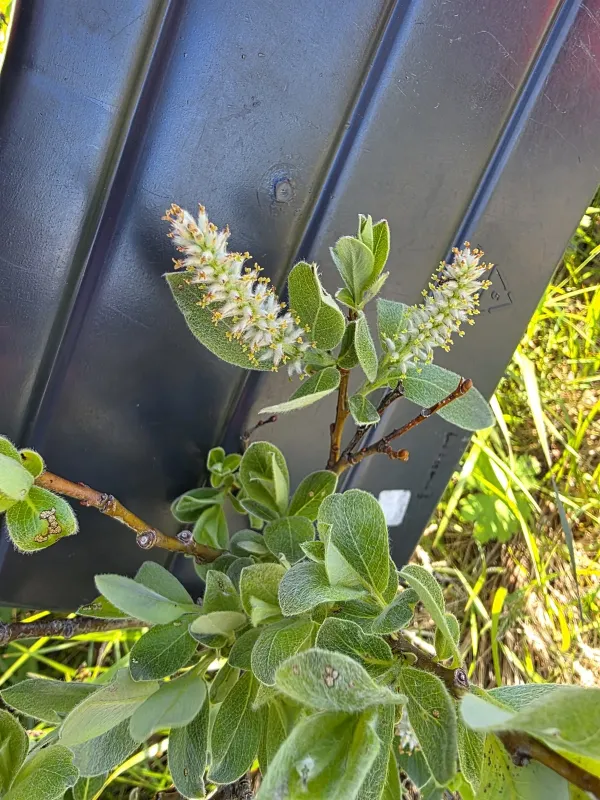
Grayleaf willow (Salix glauca) is a deciduous shrub belonging to the Salicaceae family. It is recognized for its extreme resilience in arctic and alpine ecosystems.
The species is native to northern circumpolar regions, including Canada, Alaska, and parts of Eurasia, where it thrives in cold, tundra-like environments.
Cultivation requires soils that are consistently moist but well-drained. It shows a preference for alluvial soils or rocky substrates that allow for proper root aeration.
Optimal growth occurs under full sun exposure. While it is highly cold-hardy, the plant demands adequate moisture during the growing season to maintain its foliage vigor.
This shrub is effectively used in land reclamation projects and as an ornamental component in northern landscapes, providing excellent soil stability in erosion-prone areas.
Main diseases and pests
The primary health concerns for Salix glauca involve fungal pathogens such as rust and powdery mildew, which thrive in humid, still air conditions.
Proper plant spacing and regular thinning of the canopy are essential cultural practices to improve airflow and reduce the humidity levels that favor fungal growth.
Insects like willow leaf beetles can pose a significant threat by defoliating the shrub, which reduces its ability to store energy for the harsh winter season.
Integrated pest management, including the use of targeted biological controls or soaps, is recommended when pest population densities threaten the plant's structural integrity.
Root rot remains a critical concern if the soil remains waterlogged for extended periods, necessitating careful site selection and soil amendments to ensure proper drainage.