
Forby's Willow
Salix forbyana
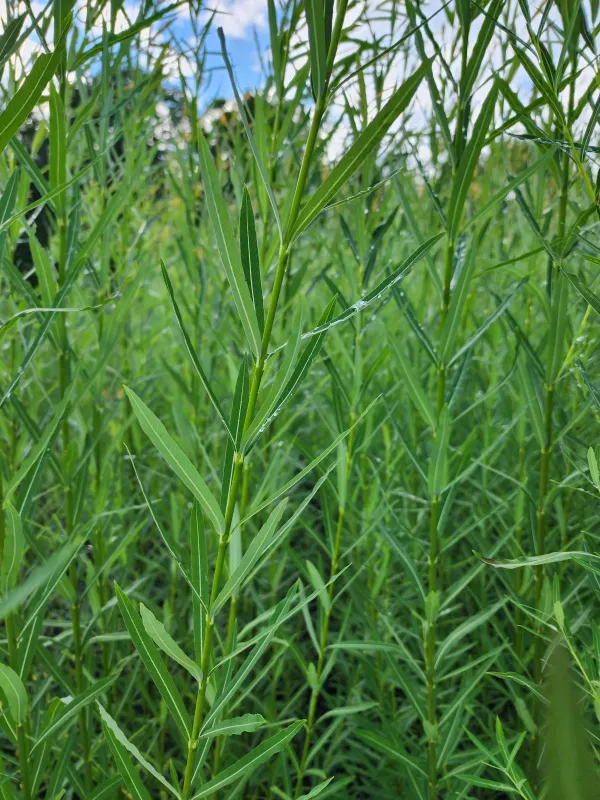
Description
Sowing dates
Forby's Willow (Salix forbyana) is typically propagated during the early spring months, before the buds break, using dormant hardwood cuttings.
The cuttings should be approximately 20 to 25 centimeters in length and inserted into well-prepared, moist soil, leaving just one or two buds exposed above the surface.
To ensure high survival rates, it is crucial to firmly pack the soil around the base of the cutting to prevent desiccation caused by air pockets.
Spacing requirements vary depending on the intended harvest method; for basketry rods, rows are often spaced 70 to 90 centimeters apart to maximize stem quality.
While autumn planting is possible in milder climates, spring is generally preferred to take advantage of natural soil moisture levels following winter dormancy.
Growing requirements
Forby's Willow is a perennial member of the Salicaceae family, highly valued for the exceptional length, flexibility, and strength of its annual shoots.
The species thrives in moist, well-draining soils but can adapt to various soil types provided that consistent moisture is available throughout the growing season.
While tolerant of cold, this willow variety requires full sun exposure to stimulate vigorous growth and ensure the production of high-quality, straight stems.
Weed control is essential during the establishment phase, as young willow plants are poor competitors and can be easily stunted by aggressive weeds.
Adequate soil fertility is necessary to maintain production; therefore, nitrogen-based fertilizers are often applied to boost growth rates in commercial plantations.
Yield
The peak yield of a Forby's Willow plantation is typically reached by the third or fourth year, once the root system has fully matured and stabilized.
Under optimal management practices, including irrigation and fertilization, a healthy plantation can produce a significant annual tonnage of high-quality rods per hectare.
A well-maintained plantation can remain productive for 15 to 20 years, provided that the stools are regularly pruned and the soil health is continuously managed.
Yield depends heavily on the annual coppicing cycle, which encourages the development of numerous, uniform, and high-quality shoots rather than erratic branching.
Proper harvest techniques, such as low-level cutting, are vital to ensure the plant continues to produce high volumes of biomass in subsequent harvest cycles.
Main diseases and pests
Forby's Willow is susceptible to various fungal pathogens, including willow rust and black canker, which are more prevalent in humid or poorly ventilated growing conditions.
Insect pests, such as willow leaf beetles and various aphid species, can cause substantial damage to the foliage and stems, thereby reducing the final grade of the rods.
Integrated pest management (IPM) strategies, including the use of fungicides and biological control agents, are recommended to mitigate these potential threats.
Maintaining proper distance between plants to allow for airflow and practicing strict hygiene by removing infected branches helps to prevent widespread disease outbreaks.
- Regular monitoring for signs of leaf beetle infestation.
- Fungicide applications during high-humidity periods.
- Sanitary pruning of branches displaying signs of disease.
Harvesting
Harvesting should be conducted annually during the dormant season, starting after the leaves have fallen and ending before new buds begin to swell in spring.
Stems are cut as close to the stool as possible using sharp hand tools or specialized mechanical harvesters to ensure optimal regrowth in the following season.
Post-harvest handling involves sorting the rods by length and diameter, bundling them, and storing them in cool, dry conditions or processing them via steaming for stripping.
Ensuring that the harvested material is dried properly is critical, as it prevents rot and ensures the wood retains its structural integrity and flexibility for weaving.
Forby's Willow is highly regarded in the craft industry, where its superior bending quality makes it an ideal choice for high-end basketry and furniture design.