
Farges willow
Salix fargesii
Description
Growing requirements
Farges willow (Salix fargesii) is a deciduous shrub belonging to the Salicaceae family. Native to the mountainous regions of China, this species is highly valued in horticulture for its distinct and unusual appearance compared to traditional willows.
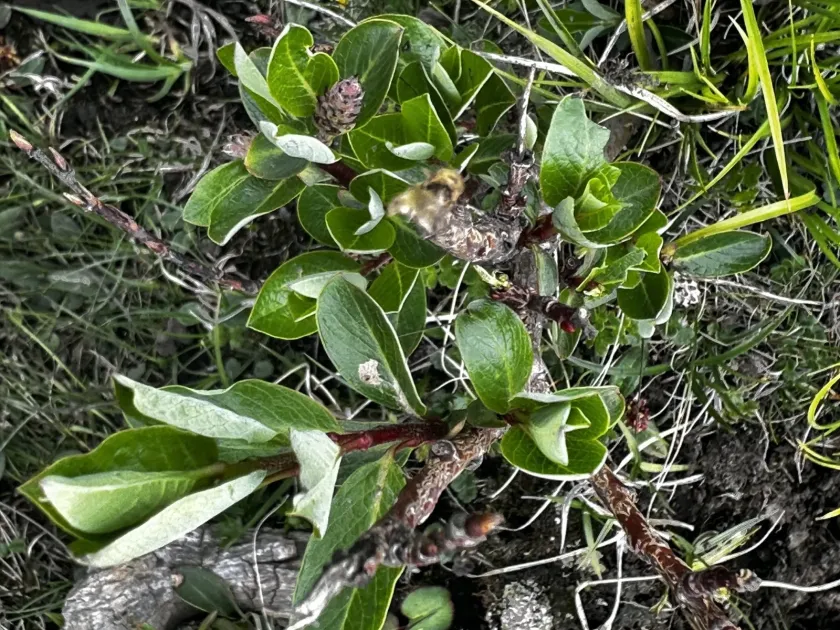
The botanical highlight of this plant is its large, glossy leaves with prominent veins, which give it a lush and tropical look. During the spring, it produces decorative catkins that add to its appeal in a garden setting.
Regarding cultivation requirements, Farges willow thrives in moist, well-drained, and nutrient-rich soils. While it appreciates high moisture levels, it performs best when the soil is not waterlogged, as good aeration is essential for root health.
This shrub prefers a sheltered location to protect it from harsh winds and extreme weather conditions. Given its moderate hardiness, it grows effectively in temperate climates where it can reach a height of 3 to 4 meters, forming a wide, spreading habit.
Basic maintenance involves consistent irrigation during dry spells and the application of organic mulch around the base to preserve soil moisture. Annual pruning is recommended to maintain the desired shape and remove any dead or crossing branches.
Main diseases and pests
The plant is susceptible to various fungal diseases, such as leaf spot and rust, which typically occur in damp environments with poor air circulation. These conditions can quickly affect the aesthetic value of the shrub.
Pests, including aphids and leaf beetles, often target the foliage of Farges willow. Severe infestations can weaken the plant and cause premature leaf drop if not managed in a timely manner.
Effective management strategies include the application of fungicides for disease prevention and targeted insecticides to control pest populations during the growing season.
Sanitation practices are crucial; removing and destroying infected plant debris helps prevent the spread of fungal spores and keeps the garden environment clean and safe for the plant.
Regular monitoring of the leaf undersides and the overall health of the bark ensures early detection of potential issues, allowing for quick intervention and long-term vitality of the specimen.