
Coyote willow
Salix exigua
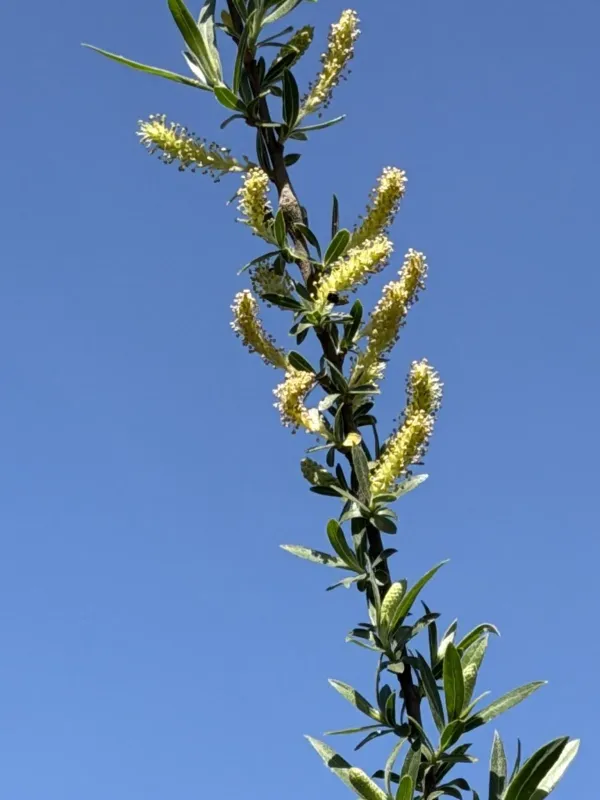
Description
Sowing dates
Coyote willow, scientifically known as Salix exigua, is typically propagated through dormant hardwood cuttings, which are harvested during the winter months.
These cuttings are planted directly into the soil in early spring to take advantage of natural soil moisture before the onset of the growing season.
When establishing a plantation for biomass or erosion control, spacing is crucial, with cuttings placed in rows to ensure adequate sunlight and root development.
Initial soil preparation involves loosening the topsoil to allow for optimal rooting depth, ensuring that at least two nodes are buried beneath the surface.
While seed propagation is possible, it is rarely used in commercial agriculture due to the extremely short lifespan of Salix exigua seeds, which must be sown almost immediately upon dispersal.
Growing requirements
Belonging to the Salicaceae family, the coyote willow is a deciduous shrub that naturally thrives in riparian zones, riverbanks, and sandy, moist soils.
This species is highly light-demanding; therefore, optimal growth is achieved in full-sun environments without any competing canopy or shading structures.
Salix exigua is remarkably tolerant of varying soil textures, provided that the substrate is well-drained and possesses enough moisture to support rapid biomass accumulation.
One of the key agronomic advantages of this species is its ability to withstand seasonal inundation, making it an excellent candidate for flood-prone agricultural zones.
The plant exhibits high cold hardiness and adaptability to a wide range of temperatures, making it suitable for temperate regions across different continents.
Yield
As a short-rotation woody crop, coyote willow is primarily utilized for biomass production, offering a sustainable alternative for heating and energy generation.
Under managed conditions, plantations can yield significant amounts of woody material, with harvest cycles typically occurring every two to three years to maximize output.
The vigorous suckering habit of this willow species ensures rapid regrowth post-harvest, contributing to consistent annual biomass production rates.
Beyond energy production, the plant is widely recognized for its efficacy in phyto-remediation and stabilizing soil banks, providing ecosystem services alongside agricultural yields.
Yield efficiency is directly correlated with plantation density and the quality of nutrient management applied throughout the developmental phases of the willow.
Main diseases and pests
Common phytosanitary concerns include fungal diseases like rust and powdery mildew, which thrive in stagnant, humid air within dense plantation stands.
Insect pests, such as willow leaf beetles and various aphid species, can cause substantial damage to the foliage and inhibit the overall photosynthetic efficiency of the shrubs.
Effective management strategies incorporate regular field monitoring and the use of integrated pest management (IPM) to maintain health without excessive pesticide use.
Proper field ventilation, achieved through careful spacing and regular pruning, remains one of the most effective tools for disease prevention in commercial Salix exigua crops.
Removal of plant debris from the previous season is essential to minimize the overwintering of pathogens that could compromise future growth cycles.
Harvesting
Harvesting of coyote willow for biomass is usually performed during the dormant season, which allows for easier equipment access on frozen or firm ground.
Modern mechanization, such as specialized harvesters, is employed to cut the shoots at a specific height near the base to encourage vigorous secondary branching.
Post-harvest, the wood is often chipped immediately or left to dry in windrows to reduce moisture content before being utilized as industrial fuel.
- Mechanical cutting during dormancy
- Sorting of woody biomass
- Drying for moisture reduction
Consistent harvest schedules are vital for maintaining the longevity of the root system, ensuring that the plantation remains productive for many years of operation.