
Salix excelsa
Salix excelsa
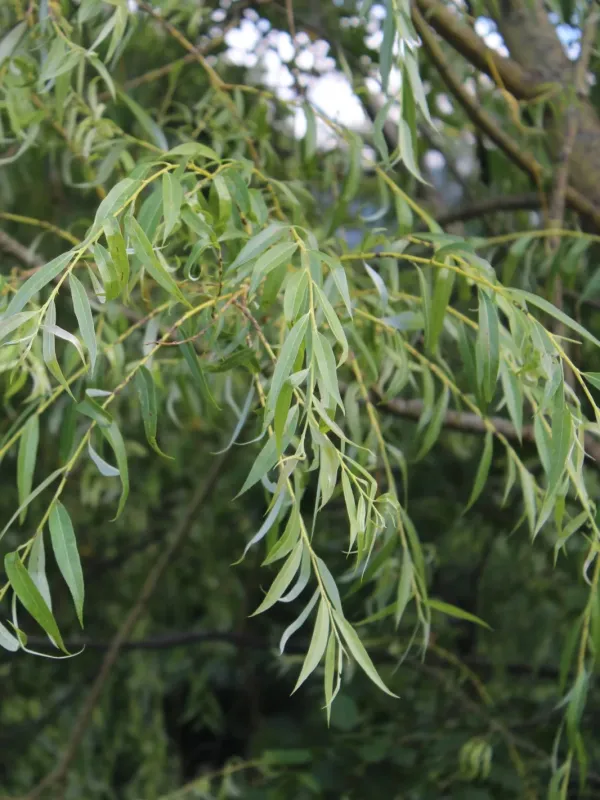
Description
Sowing dates
The propagation of Salix excelsa is primarily conducted through vegetative means, specifically using hardwood cuttings. The ideal time for harvesting cuttings is during the plant's dormancy, usually in late winter or early spring before the buds break.
Cuttings should be planted in well-prepared, moist soil. It is critical to ensure proper contact between the stem and the soil, with only a few buds left above the ground surface to stimulate root and shoot development.
While seed propagation is possible, it is rarely used in commercial agricultural settings due to the very short viability period of willow seeds. Vegetative propagation remains the most efficient method for establishing plantations.
Planting density is determined by the intended use of the crop. For high-quality basketry rods, closer spacing is recommended to encourage vertical growth and minimize branching of the stems.
Effective soil preparation includes plowing and organic enrichment. Controlling competing weeds during the initial growing season is essential for the establishment of vigorous young plants.
Growing requirements
Salix excelsa belongs to the Salicaceae family and is recognized as a moisture-loving species. It thrives in riparian zones, wetlands, and areas with high water tables, which are characteristic of its natural habitat.
This crop is highly adaptable to various climatic conditions but requires full sunlight for optimal biomass production. Shaded environments can lead to weak growth and increased susceptibility to diseases.
The ideal soil conditions for Salix excelsa are fertile loams or sandy soils with high organic content. The plant can tolerate a wide pH range, though neutral to slightly acidic conditions are preferred for the fastest growth.
As a key component in agroforestry, Salix excelsa plays a vital role in soil stabilization and erosion control. Its expansive root system protects banks and improves water quality in the surrounding environment.
Nutrient management is crucial for maximizing yield. Regular applications of nitrogen-based fertilizers during the active growing season promote rapid biomass accumulation, which is essential for energy willow plantations.
Yield
The industrial applications of Salix excelsa are diverse, ranging from traditional basketry to modern biomass production. It serves as a rapid source of raw material for the paper and pulp industry.
In the energy sector, this willow is cultivated for its high-density wood chips. Short-rotation plantations are harvested regularly to provide a renewable and sustainable source of fuel for biomass power plants.
For artisans, Salix excelsa provides high-quality, flexible rods that are highly sought after for weaving furniture, baskets, and decorative items. The material is durable and easy to process after proper curing.
Furthermore, the plant contributes to environmental sustainability by sequestering carbon effectively. Its rapid growth cycles make it an excellent choice for environmental offset programs.
Proper management of these plantations ensures a sustainable, multi-decade harvest cycle. The ability of the rootstock to regenerate after cutting significantly reduces long-term operational costs for farmers.
Main diseases and pests
Leaf beetles are among the most significant pests for Salix excelsa. They can cause widespread defoliation, which severely stunts the growth of the trees and reduces the overall quality of the harvested wood.
Stem borers pose another serious threat by damaging the internal structure of the wood. Infestations weaken the stems, making the plantation less productive and susceptible to wind damage.
Fungal diseases, including rust and leaf spots, are common in humid environments. These pathogens reduce the photosynthetic capacity of the leaves and can lead to premature senescence.
Powdery mildew is a common concern in high-density plantations where air circulation is limited. Proper spacing and airflow management are the best preventative measures against this disease.
Integrated pest management strategies should be employed, focusing on cultural practices such as removing infected biomass and ensuring the plantation remains healthy and well-maintained throughout the season.
Harvesting
Harvesting for biomass is performed using specialized, automated machinery that cuts and chips the wood in a single operation. This ensures efficiency and lowers costs during large-scale harvest events.
For basketry and craft purposes, harvesting is usually done manually during the dormant season. This allows for the selection of specific stem diameters and ensures the rods remain intact for high-quality production.
Once harvested, the material must be stored in well-ventilated areas. Controlled drying is essential to prevent moisture-related rot and fungal growth, ensuring the durability of the final product.
The harvest cycle typically spans several years, depending on the specific application requirements. Biomass plantations often see annual or multi-annual harvests to optimize wood volume.
Post-harvest management is minimal as the plant naturally regenerates from the stump. This resilience allows for many years of continuous production without the need for replanting.