
Salix euxina
Salix euxina
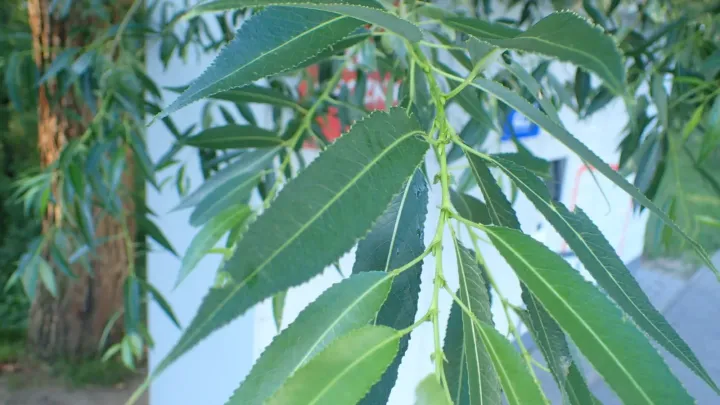
Description
Sowing dates
Propagation of Salix euxina is primarily achieved through hardwood cuttings, which are harvested during the dormant season to ensure high viability and rapid rooting success.
Cuttings should be planted in early spring into well-prepared, moist soil, ensuring that at least one bud remains above ground level to initiate shoot development.
Proper spacing is essential for industrial plantations, typically ranging from high-density settings for biomass output to wider arrangements for ornamental or nursery purposes.
In the first year of establishment, weed management is crucial as the young plants are sensitive to competition for nutrients and water during the root development phase.
Using clones that are well-adapted to specific regional microclimates can significantly increase survival rates and overall plantation uniformity during the first growing season.
Growing requirements
Salix euxina belongs to the Salicaceae family and is recognized as a fast-growing woody species with a broad distribution across the Black Sea and Caspian Sea regions.
The culture thrives in deep, fertile, and moist alluvial soils; it possesses a unique ability to withstand temporary waterlogging, which distinguishes it from many other woody crops.
While tolerant of various soil types, the species prefers neutral to slightly acidic pH levels to maximize nutrient uptake and ensure vigorous annual growth rates.
Full sun exposure is a fundamental requirement for optimal biomass accumulation, as even partial shading can lead to significant reductions in wood quality and volume.
The species exhibits high cold hardiness, allowing it to adapt to diverse temperature fluctuations and grow successfully in various temperate climate zones.
Yield
The primary economic value of Salix euxina lies in its high-quality woody biomass, which serves as a renewable energy source and raw material for the pulp industry.
Yields can be substantial under optimal management practices, with cyclic harvesting strategies allowing for consistent production over several decades of plantation life.
By implementing intensive agroforestry techniques, growers can achieve high annual yields of dry matter, making the species an ideal candidate for large-scale energy projects.
The flexibility and strength of the branches also provide opportunities for secondary uses, including traditional weaving and the production of small agricultural implements.
Efficient utilization of the woody tissue is supported by advanced harvesting technologies that optimize the output per hectare while maintaining the health of the root stock.
Main diseases and pests
Common fungal diseases, such as leaf rust and black spot, often emerge under conditions of high humidity and poor air movement within dense plantation stands.
Pests including leaf beetles and various aphids pose a threat to young shoots, potentially affecting plant vigor and reducing the cumulative growth of the biomass.
Stem-boring insects may affect mature plants, leading to structural weakness and a decrease in the quality of the wood harvested for industrial processes.
Integrated pest management strategies are recommended, focusing on the use of resistant clones and periodic monitoring rather than exclusive reliance on chemical control.
Maintaining proper plantation hygiene, such as removing heavily infected debris, helps mitigate the risk of disease outbreaks and promotes overall forest health.
Harvesting
Harvesting is typically scheduled during the winter dormant period to minimize moisture content and improve the quality of the harvested woody raw material.
Mechanized harvest operations utilize specialized equipment capable of cutting and shredding the stems efficiently, which streamlines the logistics of biomass processing.
The ability of the root systems to regenerate after harvesting ensures that multiple crops can be extracted from a single plantation without the need for immediate replanting.
Post-harvest, the wood chips are dried to a specific moisture level, ensuring stability for long-term storage and high efficiency in combustion applications.
Sustainable plantation management allows for a productive cycle spanning up to two decades, providing a steady and reliable source of renewable biomass for the market.