
Matsudana willow
Salix erythroflexuosa
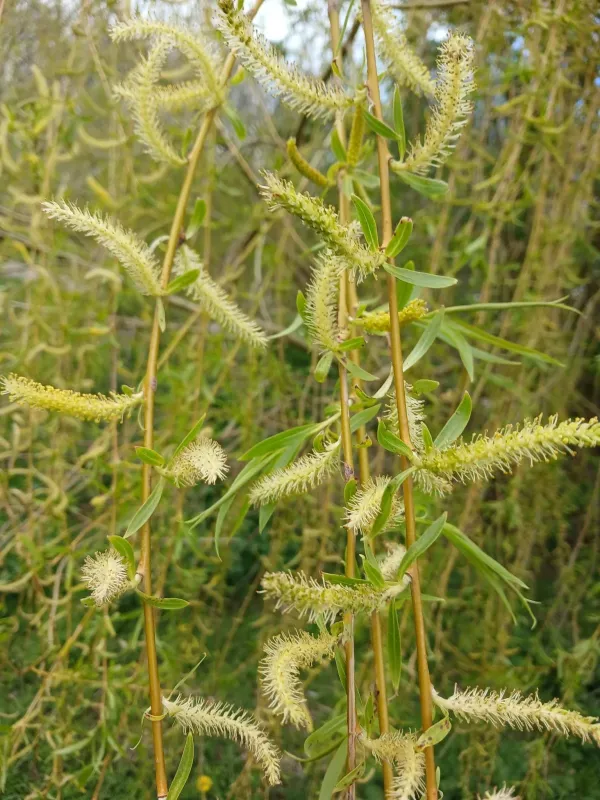
Description
Growing requirements
The Matsudana willow (Salix matsudana), often referred to as the corkscrew willow, is a member of the Salicaceae family. It is native to Northeast China and Korea and is widely recognized for its dramatic, twisting branch structure.
This species has high light requirements. To ensure the development of its signature spiral branches, it must be planted in full sun. Insufficient light often results in less curled growth and a more sparse, weak canopy structure.
Regarding soil, the tree thrives in fertile, moist, and well-drained conditions. It adapts to various soil types including sandy loams and clays. While it is tolerant of temporary waterlogging, stagnant water should be avoided to maintain root health.
The climate requirements for this willow are moderate. It prefers temperate zones with sufficient seasonal rainfall. While hardy, young specimens may require protection during extreme winter temperatures to prevent branch dieback.
Cultivation practices involve regular pruning to manage the shape and size of the tree. This is best performed in late winter or early spring, which promotes healthy growth and intensifies the unique twisting habit of the new shoots.
Main diseases and pests
Common pests include leaf beetles, aphids, and spider mites. These insects feed on the foliage and can weaken the tree if infestations become severe, leading to discolored leaves and stunted growth of the branches.
Fungal diseases, such as cytospora canker and powdery mildew, are significant threats. These are often triggered by humid environments or lack of proper air circulation within the canopy of the tree.
Disease management requires the use of appropriate fungicides and the removal of infected wood. Good hygiene, such as clearing debris from the base of the tree, helps to reduce the survival rate of pathogens.
Pest control is most effective when integrated with regular monitoring. Using systemic insecticides can protect the tree during the peak activity season of the pests, ensuring the aesthetic value remains intact.
Economically, the Matsudana willow is highly valued in horticulture. Beyond its landscape use, the branches are widely harvested for the floral industry, serving as a decorative component in high-end arrangements.