
Salix eriocephala
Salix eriocephala
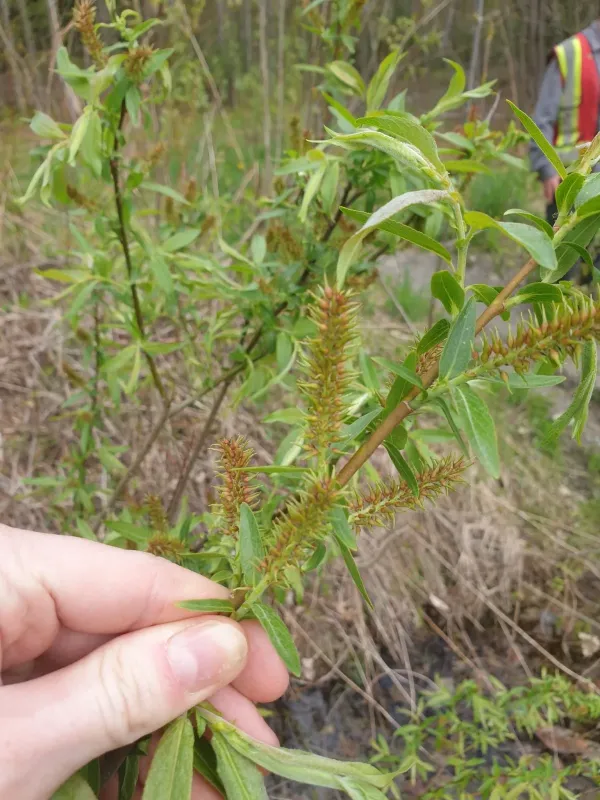
Description
Sowing dates
Propagation of Salix eriocephala is primarily performed through vegetative cuttings. The ideal time for harvesting and planting these dormant woody cuttings is early spring, just before the onset of the active sap flow period.
Cuttings measuring approximately 20–25 centimeters are inserted into well-prepared, moist soil. It is crucial to ensure that only one or two buds remain above the soil surface to facilitate optimal root and shoot development.
For large-scale bioenergy plantations, specific planting patterns are maintained to ensure high stem density per hectare. This approach maximizes biomass yield from the earliest stages of the plantation's lifespan.
Maintaining high soil moisture during the initial weeks post-planting is essential for successful establishment. Drying out of the soil at this critical phase can lead to significant seedling mortality.
Commercial plantations utilize specialized forestry planting machines to ensure consistent depth and spacing between rows. This mechanization significantly increases planting speed and accuracy in professional farming setups.
Growing requirements
Salix eriocephala belongs to the Salicaceae family and possesses a strong demand for soil moisture. It naturally thrives in alluvial soils, riparian zones, and riverbanks where groundwater levels are consistently high.
While the species is adaptable to various soil types, it reaches peak productivity on fertile loamy soils with neutral to slightly acidic pH levels. It exhibits notable resilience to temporary waterlogging.
As a heliophilic species, the willow requires open, sunlit areas for optimal growth. Excessive shading negatively impacts shoot elongation and significantly reduces the total annual biological production of the crop.
Climate-wise, the species demands adequate rainfall throughout the growing season. While hardy and frost-tolerant, prolonged summer droughts can hinder biomass accumulation and overall plant vigor.
Standard agronomic management involves effective weed control during the first two years of the plantation. Once established, the willow forms a dense canopy that naturally outcompetes most invasive weeds.
Yield
Yield capacity in Salix eriocephala is heavily influenced by site selection, soil fertility, and management intensity. The crop is highly valued for its rapid biomass growth, making it ideal for renewable energy.
Plantation productivity typically peaks between the 3rd and 5th year as the root system matures. During this period, the plant shows its highest potential for annual dry matter production.
The economic utility of the species is diverse, ranging from wood chip production for bioenergy to specialized applications in fiber production and weaving. Each usage requires specific harvesting protocols.
A key biological advantage is the plant's ability to undergo multiple harvesting cycles through coppicing. Cutting the aerial stems promotes vigorous regrowth of productive shoots in the following season.
Under intensive management, average yields can reach 10–15 tons of dry matter per hectare annually. This efficiency positions it as a viable candidate for sustainable biomass supply chains.
Main diseases and pests
Willow rust is a primary pathological threat, frequently affecting foliage and causing premature leaf drop. Mitigation strategies include planting resistant clones and maintaining spatial separation between plots.
Insect pests, such as willow leaf beetles and various weevil species, can cause substantial damage to leaf surfaces. Heavy infestations can lead to diminished photosynthetic efficiency and reduced biomass harvest.
Fungal bark diseases, like anthracnose, often emerge in over-dense plantations with poor airflow. Regular thinning and proper spacing are vital management tools to minimize the risk of fungal spread.
Winter damage caused by wildlife, particularly rabbits and rodents, can be significant. Installing protective fencing around young plantations is a standard preventive measure in many agricultural regions.
Continuous phytosanitary monitoring is essential to detect outbreaks early. Proactive management ensures the health of the plantation, protecting long-term investment and maintaining stable production levels.
Harvesting
Harvesting is conducted during the winter dormancy period, between late autumn and early spring. During this phase, wood moisture content is at its lowest, which is critical for processing and storage.
For bioenergy purposes, specialized harvesters are used to cut and chip the stems in a single pass. This mechanical process is highly efficient and minimizes labor requirements in large-scale operations.
For artisanal uses, such as willow weaving, harvesting is performed manually to ensure the selection of high-quality, straight rods suitable for commercial grade production.
Post-harvest management includes inter-row maintenance and soil fertilization to replenish nutrients. These steps are vital to ensure the plant's rapid recovery for the next growth cycle.
With proper agronomic practices, Salix eriocephala plantations can remain productive for 20 to 25 years. This longevity makes it a sustainable and reliable option for long-term land management.